





Where coffee comes from: growing regions and how they shape taste
The coffee belt: why only there
We have been selling coffee for over fifteen years and the question of origin returns in every conversation. Let us start with the fact that the possible places on earth are very few.
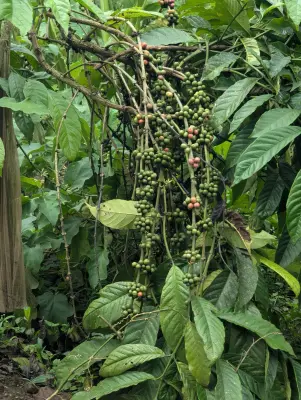
The coffee plant grows in the band between the Tropic of Cancer and the Tropic of Capricorn. It needs frost-free temperatures, rainfall spread through the year and soil that does not hold water.
In practice that means around seventy countries, though a dozen matter. Brazil, Vietnam, Colombia, Indonesia and Ethiopia supply most of what reaches the European market.
Each has a different climate, a different processing tradition and different species, and it is those three things, not the country name, that explain differences in the cup.
One point up front: origin sets the potential, not the outcome. Roasting and freshness can completely mask the character of the finest lot.
Arabica and robusta: two different plants
This distinction explains more than the country name. Arabica and robusta are two species with different requirements and different chemistry.
Arabica grows higher, usually above eight hundred metres, ripens more slowly and gives a more aromatic coffee with clearer acidity and less caffeine.
Robusta tolerates lower altitudes and higher temperatures, resists disease better, and in the cup brings more bitterness, a denser crema and roughly twice the caffeine.
In the Italian tradition robusta is not a lesser choice but a component of the blend: it provides the lasting crema and full body of a classic espresso.
So the label «one hundred per cent arabica» describes a profile, not a grade. A good blend with robusta can beat a mediocre arabica from the same region.
Altitude, soil and harvest season
Within a single species altitude changes the most. The higher the plot, the cooler it is, the slower the fruit ripens and the denser the bean becomes.
Slower ripening means more sugars and acids in the seed, that is, more material for the roast to build aroma from. Hence the habit of marking lots as high grown.
Volcanic soil, common in Central America and Indonesia, drains well and is rich in minerals. Such conditions favour clean, defined profiles.
Harvest season matters too, because coffee is seasonal. The South American crop reaches Europe in winter, the East African one in spring, and the difference is audible in the cup.
How to catch those differences in your own kitchen we described in our guide to tasting coffee at home.
Five directions and their character
Below are the shortcuts that work in practice, though every country has exceptions.
Brazil gives soft coffees with nut and chocolate notes and low acidity. It is the backbone of most Italian blends and a good choice for anyone who dislikes acidic profiles.
Colombia and Central America offer a balanced profile: clear but pleasant acidity, caramel and stone fruit notes, a clean finish.
Ethiopia is the most aromatic direction, with floral and citrus notes that a dark roast erases, so lighter roasting makes sense there.
Vietnam and Indonesia mean above all robusta and full-bodied coffees with earthy, spiced notes that stand up well to milk and sugar.
Why a blend can beat a single origin
A single origin shows the character of one place and one crop year. That is interesting but variable: the next lot from the same farm can taste noticeably different.
A blend is the opposite philosophy. The roaster combines several origins to obtain a profile that repeats year after year, whatever the harvest brought.
In espresso that repeatability has practical value: the machine is dialled in once and the coffee does not change behaviour from bag to bag.
This is why blends make up most of our beans and ground coffee, while single origins stay for those who enjoy experimenting.
If you brew with several methods, remember the same coffee behaves one way in a moka pot and another in a filter; we covered this in our piece on brewing methods.
How to read the label
Let us end with practice. The label usually carries four pieces of information, and it helps to know the order in which to read them.
First the species and blend composition, because they set expectations for bitterness, acidity and crema. Then the roast level, which decides how much of the origin's character survives at all.
Only third comes the country or region, and fourth any altitude or farm name, which matter for single origins.
If the label says nothing about roast level and roast date, the country name alone will tell you little. That is the most common reason for disappointment when coffee is chosen by origin alone.
We are glad to help match a profile to your brewing method and household taste: our team is available, please get in touch.
Popular products
All products
More






More on this topic
More

Coffee capsules vs traditional: what to choose for home?
Read article


Coffee Capsules Guide: How to Choose Your Perfect Taste
Read article

5 myths about capsule coffee
Read article
How to properly store coffee and coffee capsules: expert advice
Read article

Coffee at the office: choosing the system, the machine and the accessories for a team
Read article

What to serve with coffee the Italian way: sweets, pistachio creams and specialities
Read article

Decaf coffee and infusions: what to drink in the afternoon and evening
Read article
How to taste coffee at home: a guide for beginners
Read article
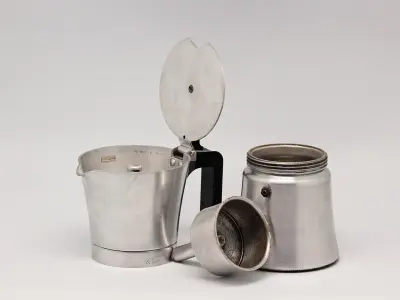
Coffee brewing methods: moka pot, espresso, French press and filter — which to choose
Read article
Used coffee grounds: what to do with them instead of throwing them away
Read article
Coffee and sport: when caffeine helps and when it gets in the way
Read article

Caffeine in the cup: how much we really drink
Read article