





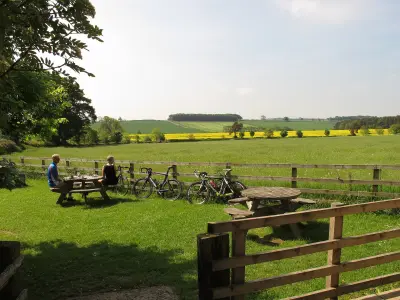
Coffee and sport: when caffeine helps and when it gets in the way
Coffee and cycling is no coincidence
The mid-ride coffee stop is an institution older than most cycling clubs that exist today. For decades it was treated as a purely social habit.
We now know it is not only that. Caffeine is among the most studied substances in exercise physiology, and one of the few whose effect studies confirm across disciplines.
That does not mean it works the same way for everyone, or that more is better. Below is what comes out of the research most consistently, without promising miracles.
It changes perceived effort, not muscle
The most consistent finding is this: caffeine lowers the subjective sense of effort. The same pace simply feels easier.
The mechanism is neurological, not muscular. Caffeine blocks adenosine receptors, the fatigue signal that builds up in the brain during exercise. The muscles work the same; the message about tiredness arrives more faintly.
That is where the real benefit comes from, especially in longer efforts: it is easier to hold a pace once it starts to hurt.
It is worth saying the effect is noticeable but moderate. Caffeine replaces neither training nor sleep, and in people who drink a lot of coffee daily it tends to be weaker, because the body adapts.
When to drink it, and how much
Caffeine peaks in the blood roughly thirty to sixty minutes after drinking. Hence a simple rule: coffee half an hour to an hour before you start, not just as you head out.
The amount is individual and there is no point quoting rigid numbers. For most people one strong coffee does the job, while going past your own threshold produces the opposite effect: racing heart, irritability and an unsettled stomach halfway round.
For anyone who does not drink coffee regularly, race day is the worst possible moment for a first attempt. Reactions tend to be sharper than in habitual drinkers.
After training, caffeine offers no further advantage. Hydration and a meal are what matter, and coffee goes back to being simply a pleasure.
Evenings are better left alone
This is the one point worth being firm about. Caffeine stays in the body for a long time, and its half-life is measured in hours, not minutes.
A coffee before an evening session can therefore shorten and lighten that night's sleep, and sleep is where recovery actually comes from. The gain from one session is easily handed back with interest.
Anyone training in the evening who does not want to give up the ritual has a simple option: decaffeinated coffee gives the taste and the pause without taking the night.
It is also worth remembering that caffeine is present in tea and in some sports drinks, so the daily total is often higher than it seems.
If you are looking for a coffee for the morning before a long ride, contact us. The Maracatú team will gladly advise.
Image: a coffee stop on the route, David Hawgood, CC BY-SA 2.0 (Wikimedia Commons).
Popular products
All products
More








More on this topic
More
Coffee capsules vs traditional: what to choose for home?
Read article

Coffee Capsules Guide: How to Choose Your Perfect Taste
Read article

5 myths about capsule coffee
Read article
How to properly store coffee and coffee capsules: expert advice
Read article
Coffee at the office: choosing the system, the machine and the accessories for a team
Read article
What to serve with coffee the Italian way: sweets, pistachio creams and specialities
Read article

Decaf coffee and infusions: what to drink in the afternoon and evening
Read article
How to taste coffee at home: a guide for beginners
Read article
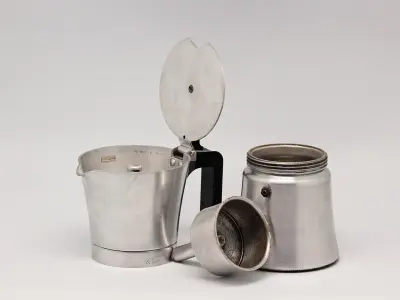
Coffee brewing methods: moka pot, espresso, French press and filter — which to choose
Read article
Used coffee grounds: what to do with them instead of throwing them away
Read article

Caffeine in the cup: how much we really drink
Read article

Used capsules and pods: what to do with them
Read article