





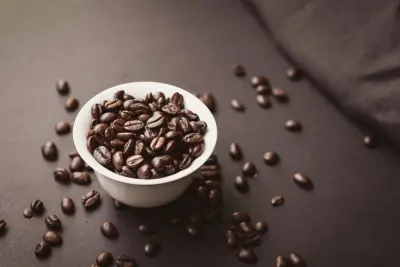
Specialty coffee: what it really means and how to choose it
A word backed by grading, not a marketing tag
The word specialty appears on coffee bags more often than it did a few years ago. Sometimes it is used precisely, sometimes purely as decoration. So we start with where the term comes from.
In the coffee trade, specialty refers to beans that have passed a sensory evaluation under an agreed protocol. Trained tasters brew the sample in a standard way and judge it in several categories: aroma, acidity, body, balance, cleanness, aftertaste. These add up to an overall score.
Above a certain threshold the coffee can be called specialty. We leave out the exact figure on purpose: protocols get updated and organisations follow slightly different rules. The mechanism matters more than the number, an evaluation rather than a producer's claim.
Cup scoring is paired with an inspection of the green beans, which are checked for defects: broken, immature or insect-damaged beans. Specialty coffee has very few of these, or none at all.
Coffee outside the segment is not poor for that reason. Many classic espresso blends we have offered for years in our coffee range rest on solid raw material and have loyal followers. Specialty is a different category with a different aim: the character of one bean rather than an even, predictable profile.
An origin you can trace back
The second trait of specialty coffee is traceability. The label usually names not only the country but also the region, the farm or cooperative, sometimes the lot number and the grower.
That level of detail has a practical purpose. A coffee scored highly on one farm in one season is a specific lot, not a general category. The roaster buys that lot and wants you to know what you are getting.
Alongside origin you will usually see the variety and the processing method: washed, natural or honey. These words say more about taste than they seem to. Natural processing tends to give a fuller, more fruit-forward bean; washed coffees are more often clean and clear.
Growing altitude is often listed too. No need to memorise it as a number: it is one of the details the roaster considered relevant to the cup.
How region, climate and altitude shape flavour is covered separately in our post on growing regions. What matters here is one thing: specialty coffee has an address, and that address can be checked.
A roast date instead of a best-before
The first sign of a specialty roaster is the date on the bag. Not a best-before date but a roast date, usually printed in plain sight or stamped on the bottom.
The distinction matters because beans change after roasting. In the first days they release a lot of carbon dioxide: coffee from that period can taste flat and uneven, and in a filter it throws up a thick bloom that disturbs even extraction.
After roughly one to two weeks the bean settles. That is usually the sweet spot: distinct aroma, clean acidity, a taste that holds from cup to cup. This is why many bags suggest waiting a few days after roasting.
A few weeks on, a slow fade begins. Fruit notes pale, a generic coffee taste moves to the front, and in ground coffee the process runs far faster than in whole beans.
Hence a practical pointer: smaller bags, and grinding just before brewing. In our whole bean and ground coffee section we state the form for every product, so the purchase can match the equipment at home.
The one-way valve on the bag is not for show: it lets gas out and keeps oxygen out. It usually means the coffee was packed fresh from the roaster.
Single origin, blend, and why pour-over more often than an automatic machine
Single origin means coffee from one place: one country, more often one farm or cooperative. A blend combines several origins, put together by the roaster to reach a defined profile.
Single origins dominate the specialty segment because they show the character of a lot. A blend is not inferior, though: a well-built one is often more consistent, tolerates parameter changes better and works more reliably in espresso.
A question customers ask us regularly: why specialty coffee is so often recommended for pour-over, drip or AeroPress and less often for an automatic machine.
The answer lies in the roast level. Specialty coffee is usually roasted lighter to keep its acidity and fruit notes. A lighter bean is harder and extracts poorly under high pressure at a machine's factory settings. In the cup: a thin, sour brew instead of clean sweetness.
Alternative methods give more control over grind size, water temperature and contact time. With a light roast those three parameters decide everything.
Automatic machines and specialty coffee are not mutually exclusive. Many roasters offer espresso profiles roasted a touch darker, and some capsule systems, including those compatible with Nespresso®, already carry coffee from this segment. It only takes matching the bean to the machine, not the reverse. An overview is in our post on brewing methods.
How to read the label and where to begin
A specialty coffee label is usually dense with information. Here is what we look at first.
Origin with the farm or cooperative named, variety, process and roast date: four elements that should be visible at once. Their absence does not rule a coffee out, but it does say the roaster puts little weight on traceability.
The flavour description is best read as a hint, not a promise. "Redcurrant, caramel, tea" are not additives; they are the taster's associations. In the cup this usually translates into clear acidity, sweetness and a light body.
For a first purchase we suggest a simple pattern: one origin, washed process, roasted for filter, small bag. That gives a clean, legible profile that shows what specialty is about. If espresso is your preference, look for "espresso roast" on the same label.
How to then compare two coffees at home is described step by step in our post on tasting.
If you are unsure which coffee suits your equipment, please get in touch. The Maracatú team will gladly help you choose a first bean from this segment.
Popular products
All products
More



More on this topic
More

Coffee capsules vs traditional: what to choose for home?
Read article

Coffee Capsules Guide: How to Choose Your Perfect Taste
Read article
5 myths about capsule coffee
Read article
How to properly store coffee and coffee capsules: expert advice
Read article

Coffee at the office: choosing the system, the machine and the accessories for a team
Read article
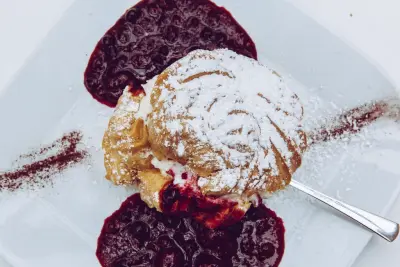
What to serve with coffee the Italian way: sweets, pistachio creams and specialities
Read article

Decaf coffee and infusions: what to drink in the afternoon and evening
Read article
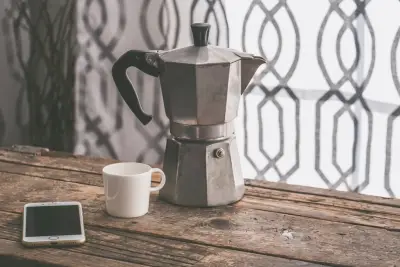
How to taste coffee at home: a guide for beginners
Read article
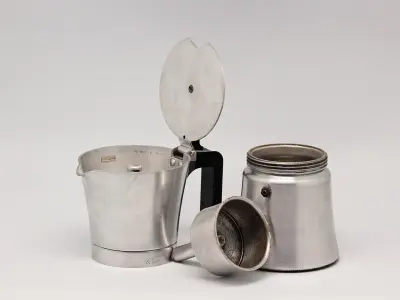
Coffee brewing methods: moka pot, espresso, French press and filter — which to choose
Read article
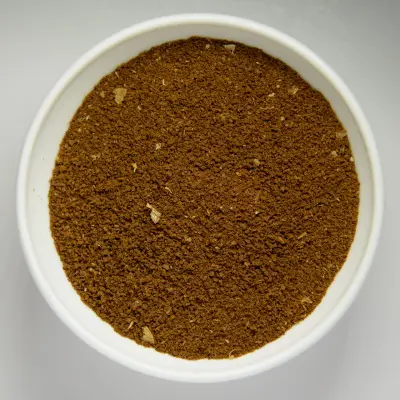
Used coffee grounds: what to do with them instead of throwing them away
Read article
Coffee and sport: when caffeine helps and when it gets in the way
Read article
Caffeine in the cup: how much we really drink
Read article