





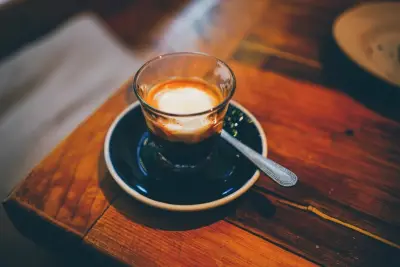
Why we like coffee: bitterness, aroma and the power of habit
A taste we are built to avoid
Bitterness is a warning signal. In nature, poisonous plants and spoiled food often taste bitter, so the body treats this taste with suspicion from birth. Newborns respond to a bitter solution with a grimace and push it away, while sweetness is accepted with obvious pleasure.
And yet coffee, a decidedly bitter drink, is among the most widely consumed in the world. Hardly anyone liked it from the first sip. Most start with a heavily sweetened or milky cup, and years later the same person orders a plain espresso and cannot picture the morning without it.
Somewhere between the first cup and the hundredth, a warning turns into a pleasure. Habit, the effect of caffeine, the work of the nose and the expectations we bring to the table all play a part.
We have been selling coffee for more than fifteen years and see this process in our customers every day. Below is what is known about it, without promises or diagnoses: this is a piece about taste, not about health.
Where the bitterness in the cup really comes from
Contrary to popular belief, only a small part of coffee's bitterness comes from caffeine. Caffeine is bitter on its own but accounts for just a fraction of what is perceived in the cup; decaffeinated coffee is bitter to a very similar degree.
Most of it is created during roasting. Acids in the green bean turn into compounds with a soft, almost velvety bitterness; with a darker roast these break down further into substances with a sharper, longer-lasting bite. That is why a light roast tastes milder and more acidic, while a dark espresso tastes fuller and stronger.
Someone who says they do not like bitter coffee often simply dislikes a very dark roast, or an extraction that runs too long and carries more astringent compounds into the cup. A change of roast or blend changes minds faster than a spoonful of sugar.
In our whole bean and ground coffee section we list intensity and blend composition for many coffees, which helps in picking a first, less bitter coffee.
Habit and the small reward from caffeine
The first mechanism is simple: repetition. A taste that returns regularly and is followed by nothing bad stops being read as a warning. This is true of olives, dark chocolate, tonic water and coffee alike.
The second is more interesting. Within half an hour or so of a coffee comes a gentle lift and a better mood, and the brain links that reward to the taste that preceded it. In some experimental studies, a neutral-tasting new drink served regularly with caffeine gradually came to taste better to participants, most clearly to those who had not yet had their morning dose.
Genetics plays a part too. Large observational studies link bitterness perception to how much coffee people drink: those who, by inborn sensitivity, feel the bitterness of caffeine more strongly drank slightly more coffee on average, not less, which fits the learned link between taste and effect; how fast the body processes caffeine matters as well. These are observations, not verdicts: genes set the starting point, habit does the rest.
How much caffeine actually ends up in the cup with different brewing methods is covered in our post on caffeine in the cup.
Aroma does most of the work
The tongue recognises only a handful of basic tastes: in coffee, mainly bitterness, acidity and a hint of sweetness. Everything we describe as chocolate, nuts, fruit or caramel comes from the nose.
Smell works along two routes: sniffing the cup before the first sip, and, less obviously, the aroma that rises from the mouth into the nasal cavity from behind while drinking. This second route produces what we call the taste of coffee. A sip taken with the nose pinched is only bitter and sour; everything else disappears.
Several hundred volatile compounds have been identified in roasted coffee, yet its characteristic scent depends on only a few dozen. They form mainly during roasting and escape quickly after grinding, which is why freshly ground coffee smells so different from a bag opened a week ago.
The scent alone has its own power. In one study, people working in a room with a coffee scent expected to feel more alert and did slightly better on concentration tasks, though no caffeine was involved at all. The vocabulary for naming individual notes is in our guide to tasting coffee at home.
The cup, the place and the company have a taste too
The taste of coffee is not created in the mouth alone; much of it is what we expect before we even reach for the cup.
Simple experiments show this. The same milky coffee served in a white mug was rated as more intense and less sweet than in a transparent glass, probably because white accentuates the brown colour of the drink.
Surroundings matter too. An espresso gulped down over the keyboard and the same espresso drunk calmly by the window are, to the brain, two different experiences. Every bar in Italy knows this: a short moment at the counter, familiar gestures, a few words and a cup that always looks the same.
That is why a fixed time and a fixed way of brewing strengthen the liking faster than expected. How to build such a point into the day is in our post on the coffee ritual.
How taste changes over the years and how to explore it without snobbery
Preferences are not fixed. Children prefer noticeably sweeter tastes than adults and react more strongly to bitterness; with age that difference fades. Hence the typical path from milk and sugar, via a macchiato, to plain espresso. It is not compulsory, though: a cappuccino enjoyed for twenty years is as good a choice as an espresso; what counts is pleasure, not a degree of initiation.
For anyone curious whether bitter coffee could start to appeal, a few simple steps help. Rather than giving up sugar overnight, reduce it gradually and, at the same time, switch to a gentler coffee: a blend with a larger share of arabica, roasted lighter, with a clear sweetness in the background.
Let the aroma work too: grind just before brewing, smell the cup before the first sip and do not let the extraction run long. A good companion is something sweet next to the cup rather than in it; in Italy an espresso with a biscuit or a spoonful of cream is everyday practice. Suitable accompaniments are in our Italian sweets section.
Our coffee section holds blends of very different character, and our own Maracatú brand ranges from pure arabica to compositions of the highest intensity. If in doubt where to begin, please get in touch: the Maracatú team will gladly help choose a coffee for today's habits, not for anyone else's idea of how coffee should taste.
Popular products
All products
More






More on this topic
More
Coffee capsules vs traditional: what to choose for home?
Read article

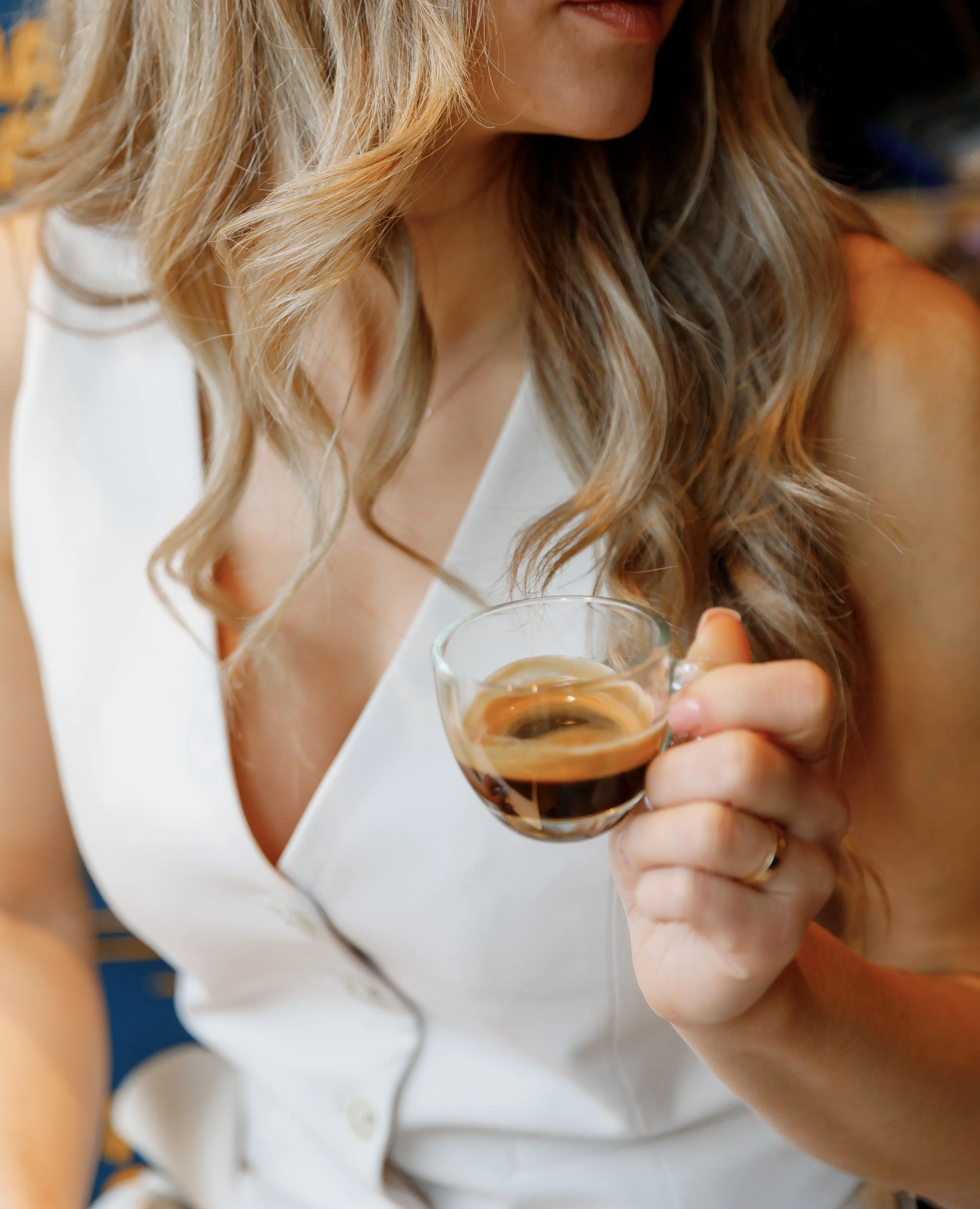
Coffee Capsules Guide: How to Choose Your Perfect Taste
Read article

5 myths about capsule coffee
Read article
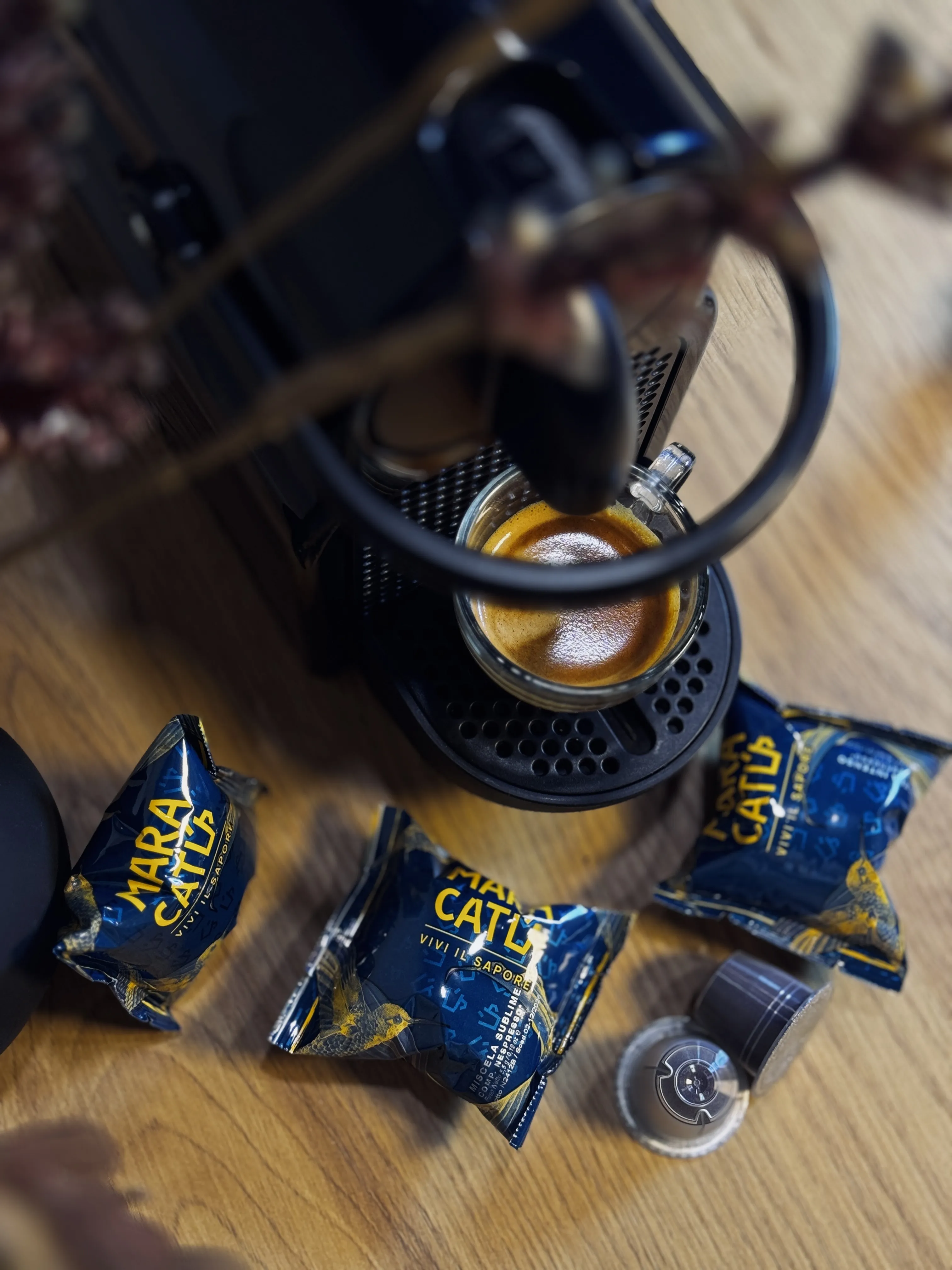
How to properly store coffee and coffee capsules: expert advice
Read article

Coffee at the office: choosing the system, the machine and the accessories for a team
Read article
What to serve with coffee the Italian way: sweets, pistachio creams and specialities
Read article

Decaf coffee and infusions: what to drink in the afternoon and evening
Read article
How to taste coffee at home: a guide for beginners
Read article
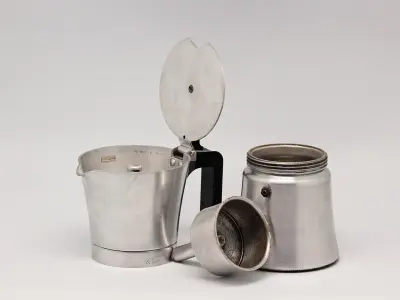
Coffee brewing methods: moka pot, espresso, French press and filter — which to choose
Read article
Used coffee grounds: what to do with them instead of throwing them away
Read article

Coffee and sport: when caffeine helps and when it gets in the way
Read article
Caffeine in the cup: how much we really drink
Read article