





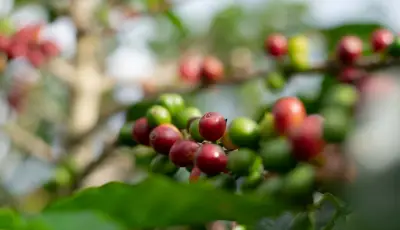
Arabica or robusta: how they differ and why Italian blends use both
Two species of the same genus
The words arabica and robusta appear on coffee packs so often that it is easy to mistake them for variety names or quality marks. In fact they are two distinct botanical species of the genus Coffea: Coffea arabica and Coffea canephora, which the trade calls robusta.
Both come from Africa, but from different parts of it: arabica from the highlands of south-western Ethiopia, robusta from the lower, hotter areas of tropical Africa. Genetic studies also indicate that arabica arose in the wild as a cross between two species, and one of them was canephora itself.
Today the world harvests roughly sixty per cent arabica and forty per cent robusta, and robusta's share has grown over recent decades. Brazil remains the main supplier of arabica, Vietnam of robusta.
How country, climate and altitude shape flavour is covered in our post on coffee growing regions. Here we focus on the species itself: what sets the two beans apart and how Italian roasters use the difference.
How they grow: altitude, climate, resilience
Arabica is the more demanding species. It does best at altitude, in a cool mountain climate where the cherries ripen slowly and build up more sugars and acids. It is prone to disease, especially coffee leaf rust, and suffers in heat and drought.
Robusta grows lower down, often from sea level to moderate altitudes, and tolerates higher temperatures and humidity. It resists disease and pests better, partly thanks to its high content of caffeine and chlorogenic acids, which act as a natural defence. It yields more and is easier to grow.
The difference shows in the bean as well: arabica seeds are usually more oval, with a wavy centre crease, while robusta beans are rounder and the crease runs straighter.
Hence the geography: where there are mountains and cool nights, arabica dominates, while in hot, humid tropical lowlands robusta does better, even though many countries grow both.
What this means in the cup
The chemistry of the two beans translates directly into flavour. Arabica contains more sugars and more lipids, which is why it tastes sweeter, more aromatic and more clearly acidic. The fruity, floral, caramel and nutty notes on single-origin packs come from it.
Robusta has fewer sugars and more chlorogenic acids and caffeine. In the cup this means fuller body, a distinct bitterness and lower acidity. Its notes are usually described as cocoa, wood and earth, with a long, dry finish. In espresso, robusta produces a denser and more persistent crema.
Robusta contains roughly twice as much caffeine as arabica. How much actually reaches the cup is explained in our post on caffeine in the cup, so we will not repeat it here.
One caveat: these descriptions apply to typical beans. Roast level, freshness and brewing can shift the taste in any direction: a dark-roasted arabica can be more bitter than a lightly roasted robusta.
The myth: 100% arabica is always better
The label "100% arabica" is often read as a guarantee of quality. The shortcut has a reason: for years many blends contained poorly selected, carelessly processed robusta, and that image stuck.
The point is that the species name describes a profile, not a grade of bean. Within each species the range of quality is enormous, and that applies to robusta too: in recent years dedicated sensory grading protocols have been developed for it, and the best lots from Uganda, India or Brazil are cupped as seriously as any arabica.
Pure arabica of course has its strengths. Illy has for decades built a single all-arabica blend from several countries, in several roast levels, and shows that arabica alone can deliver a velvety, sweet and consistent espresso. In our range the 100% Arabica line from Maracatú is also pure arabica, as are selected ground coffees from Kimbo and Passalacqua.
The specialty segment is almost entirely arabica too, but that follows from its grading protocols and lighter roasting for filter brewing, as we described in our post on specialty coffee. It does not follow that a blend with robusta is worse: it simply has a different goal, a full-bodied espresso that keeps its character in a cappuccino.
Why Italian espresso blends combine both species
Italian espresso is a tradition of blends. The roaster composes a profile from several origins and often from both species, so that the cup tastes the same year after year. Within that composition robusta has specific jobs.
The first is crema: the dense, dark, lasting foam that Italians treat as the calling card of a well-extracted espresso. The second is body, the density and weight of the drink in the mouth. The third is holding up to milk: an espresso with robusta does not disappear in a cappuccino, and its bitterness balances the sweetness of the milk.
There is no single Italian style, though. In the north you more often find arabica-led blends, roasted lighter, with a gentler profile. In the south, in and around Naples, darker blends with more robusta dominate, with a dry finish and abundant crema. Neapolitan roasters such as Kimbo, Passalacqua and Borbone belong to that tradition, although the proportions vary between them and are not always stated.
Hence a tip for reading the label: when a producer states the proportions, for example 60/40 or 30/70, that is information about the profile, not about quality. In our coffee beans and ground coffee section you will find blends with declared percentages, 100% arabica coffees and even 100% robusta beans. When no proportions are given, the intensity scale is only an approximation, since it also depends on the roast.
What to choose for espresso, moka and milk drinks
For espresso drunk straight, personal taste decides. Those who enjoy sweetness, aroma and a light acidity will be well served by 100% arabica coffees. Those who prefer dense crema, weight and a dry finish will be happier with a classic southern-style blend with robusta.
The moka pot is more forgiving than an espresso machine but draws less from delicate aromas, so full-bodied blends, ground coarser than for espresso, work well in it. The Bialetti range is a good example: alongside 100% arabica versions there are half-and-half blends, robusta-led coffees and Indian robusta beans, each with its composition stated.
For cappuccino, latte and other milk drinks we recommend blends with a share of robusta. Milk softens acidity and aromas and amplifies sweetness, so the espresso needs enough body and bitterness to stay noticeable.
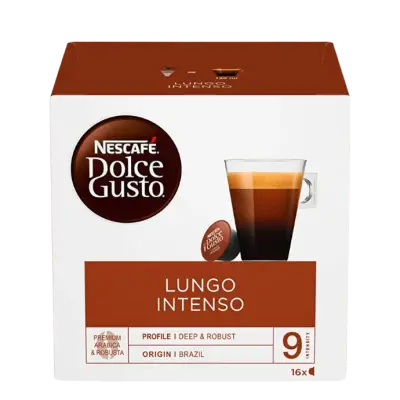
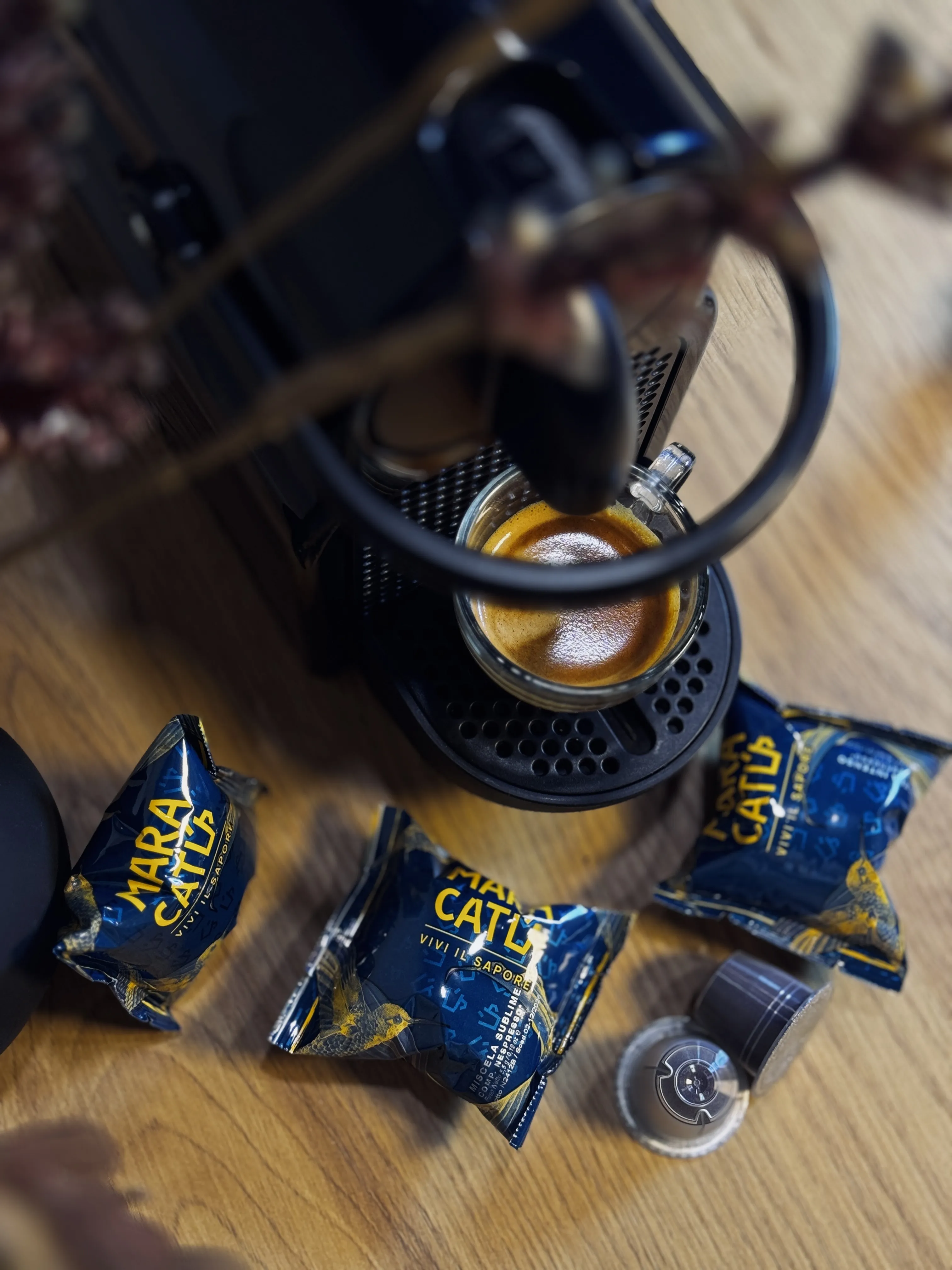
With capsules and pods the rule is the same. Many coffees compatible with the Nespresso® system state the species on the pack, as do some Dolce Gusto® and A Modo Mio® capsules.
If you are unsure which blend suits your machine and the way you drink coffee, please contact us. The Maracatú team will gladly help you choose the right bean.
Popular products
All products
More




More on this topic
More

Coffee capsules vs traditional: what to choose for home?
Read article


Coffee Capsules Guide: How to Choose Your Perfect Taste
Read article

5 myths about capsule coffee
Read article
How to properly store coffee and coffee capsules: expert advice
Read article

Coffee at the office: choosing the system, the machine and the accessories for a team
Read article
What to serve with coffee the Italian way: sweets, pistachio creams and specialities
Read article

Decaf coffee and infusions: what to drink in the afternoon and evening
Read article
How to taste coffee at home: a guide for beginners
Read article
Coffee brewing methods: moka pot, espresso, French press and filter — which to choose
Read article
Used coffee grounds: what to do with them instead of throwing them away
Read article

Coffee and sport: when caffeine helps and when it gets in the way
Read article

Caffeine in the cup: how much we really drink
Read article