


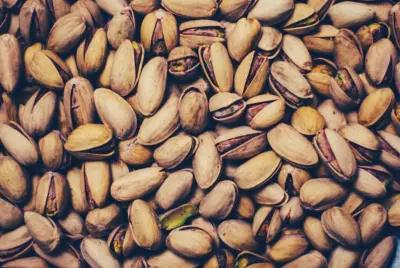
Sicilian ingredients in sweets: pistachios, almonds, manna and citrus
Sicilian ingredients in pastry: an introduction
A slice of cake with green pistachio cream, a hint of lemon in the glaze, the crunch of almonds and a cup of coffee beside it: for many people this is what a Sicilian dessert looks like.
Sicily is famous in pastry-making for a few ingredients that have long appeared in cakes, creams, ice creams and nougats.
These are ingredients known from Sicilian cooking, and their taste is easy to recognise after a single bite.
Knowing their taste and use makes it easier to read product descriptions and to choose sweets that suit your own taste.
In this guide we look at pistachios, almonds, manna, citrus fruit, saffron, honey and Marsala wine.
Each has a different character: some add creaminess, others freshness, others a light bitterness or an aroma.
Many of them are familiar from everyday cooking, but in Sicilian sweets they often come together in a single dough, cream or nougat.
A starting point for getting to know these flavours can be the bakes of Fiasconaro, a family pastry maker from Castelbuono in the Madonie mountains of Sicily.
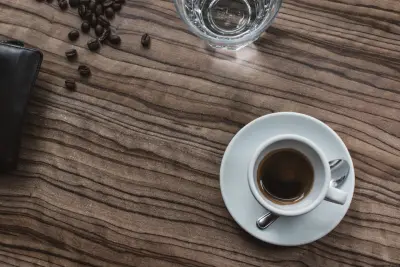
Sweets with distinct aromas are often served with coffee, whose light bitterness balances the sweetness of the dessert.
The descriptions in the catalogue help to see which of these ingredients are present in a given product.
We work with Italian sweets and coffee every day, so we are happy to share what we know about them.
Pistachios: cream, nougat and fillings
Pistachios are among the most recognisable ingredients of Sicilian pastry-making.
Pistachios from the area around Bronte, a town at the foot of Etna, are especially well known.
They have an intense green colour and a distinct, slightly sweet taste.
In pastry-making they are used in many forms: as pistachio cream, as a paste, whole or chopped for sprinkling.
Pistachio cream can appear in the filling, in the glaze or in a separate jar supplied with the cake.
Pistachios appear in nougat, spreads, ice cream, biscuits and fillings for bakes.
Their taste goes well with coffee, because the mild bitterness of espresso balances the sweetness of the cream.
Bakes and treats with pistachios can be browsed in our pistachio products from Italy section.
One example is the Dolce&Gabbana Pistacchio Sicilia panettone, which combines the festive tradition with the taste of pistachio.
Many people choose pistachio sweets for the festive table, because the green colour looks good beside other desserts.
Texture and taste depend on the product, so the description on the pack is the best source of information about its composition.
Pistachio desserts go with both espresso and coffee with milk, according to taste.
Almonds: marzipan, biscuits and granita
The second ingredient associated with Sicily is almonds.
Among the best known are those from the area around Avola, in the province of Syracuse.
They are used whole, blanched, flaked or ground into flour.
Almond paste, that is marzipan, is shaped into colourful little fruits known as frutta martorana.
Marzipan fruits are often coloured to resemble real ones, for example lemons, figs or oranges.
Almonds also appear in biscuits, nougat and fillings, and in granita di mandorla, an iced dessert popular in Sicily in summer.
They have a mild, slightly sweet taste that goes well with citrus and chocolate.
Flaked almonds are often sprinkled on top of bakes, while ground almonds are added to the dough to give it a more distinct taste.
In our Italian sweets section there are bakes and treats with almonds, depending on the current range.
As a crunchy ingredient, almonds create a contrast in nougat and biscuits with soft dough or cream.
Almonds and pistachios are nuts, so people with a nut allergy should read the ingredients before buying and, if in doubt, ask the producer or a doctor.
The same applies to gluten, eggs and milk, found in bakes, biscuits and creams.
Almond bakes go well with espresso or coffee with a little milk, according to taste.
Manna from the Madonie: a sweetener from trees
Less well known but interesting is manna, the hardened sap of the manna ash.
These trees grow in Sicily, including in the Madonie mountains.
The manna ash is a deciduous tree that also grows in other parts of the Mediterranean basin.
The sap flows from cuts in the bark, hardens in the air and is then collected.
The name manna also calls to mind the biblical food, but in pastry-making it simply means this sap.
Manna has a sweet taste and has long been used as a natural sweetener.
In pastry-making it is sometimes added to certain cakes, creams and fillings as a sweetening and aromatic ingredient.
In Sicilian cooking manna appears more as an addition than as the main ingredient of a dessert.
It is not an ingredient found in every pastry shop, so it is worth checking the description of the specific product.
Because it is collected by hand, it is often regarded as a rarer ingredient than pistachios or almonds.
We do not attribute any health properties to manna: it is simply an ingredient of traditional cooking and pastry-making.
Mentions of manna in sweet descriptions are therefore worth reading as information about the composition and the origin of the flavour.
For those curious about flavours, it can be an opportunity to look at the ingredients of Sicilian sweets on the next purchase.
Citrus, saffron and honey
Sicily's warm climate favours the growing of citrus fruit, so oranges, lemons and mandarins often appear in local desserts.
Bakers use not only the juice but also the peel, freshly grated or candied.
Candied citrus peel is a classic ingredient of panettone, alongside raisins.
The citrus note brightens a sweet cake and gives it freshness.
Mandarins and oranges also appear in creams and glazes, while lemon gives bakes a distinctly tangy accent.
Those who like such flavours can take a look at the citrus and saffron panettone from Sicily.
Saffron is a spice with a golden colour and an intense aroma, added in small quantities to cakes and desserts.
Honey has long been part of Mediterranean cooking and is an ingredient of nougats, cakes and biscuits.
A lemon flavour goes well with white chocolate and nougat, as in the Fiasconaro lemon nougat with white chocolate.
The refreshing citrus taste means such desserts are often chosen outside the holidays too.
With desserts that have a fresh citrus note, an espresso or a coffee with milk can be served, according to taste.
The combination of citrus and saffron can surprise those used to classic panettone, so it is a suggestion for people who like to discover new flavours.
Marsala and choosing sweets in the Sicilian style
Marsala is a fortified wine from western Sicily, long used in cooking and pastry-making.
Marsala comes in varieties from dry to sweet.
In desserts it gives aroma and a light sweetness: it is added to creams and cakes and used to flavour raisins.
The description of some panettone, for example the traditional version, mentions raisins flavoured with Marsala wine.
Flavouring with wine can mean the presence of alcohol, so those who avoid it should check the product description, and products with wine are always best enjoyed in moderation.
Product descriptions can change, so it is a good idea to read the current description and ingredients before buying.
When choosing sweets in the Sicilian style you can follow your own taste: pistachios for lovers of creamy flavours, almonds for those who like crunch, citrus for those looking for freshness.
A good way to get to know Sicilian flavours can be to choose several small sweets instead of one large bake.
To begin with, it makes sense to pick an ingredient you already like and discover the other flavours gradually, over the next few cups of coffee.
Other specialities can be browsed in our Italian flavours section.
You can read more about the types of panettone in our guide on what panettone is and how to choose a flavour.
What to serve with coffee the Italian way is covered in our article on Italian sweets and specialities to go with coffee.
In the end, a Sicilian dessert starts from simple ingredients: a pistachio, an almond, a lemon and a touch of sweetness, and ends with a cup of coffee.
If you need help choosing sweets with Sicilian flavours, contact us: the Maracatú team is always happy to help you choose.
Popular products
All products
More



More on this topic
More

Coffee capsules vs traditional: what to choose for home?
Read article


Coffee Capsules Guide: How to Choose Your Perfect Taste
Read article
5 myths about capsule coffee
Read article
How to properly store coffee and coffee capsules: expert advice
Read article

Coffee at the office: choosing the system, the machine and the accessories for a team
Read article
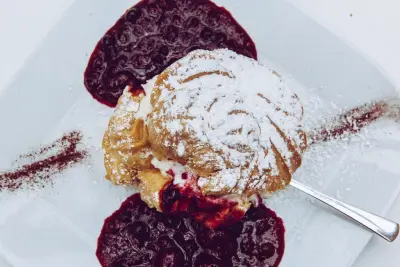
What to serve with coffee the Italian way: sweets, pistachio creams and specialities
Read article

Decaf coffee and infusions: what to drink in the afternoon and evening
Read article
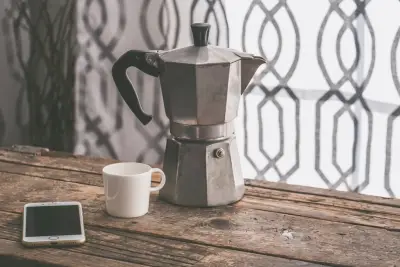
How to taste coffee at home: a guide for beginners
Read article
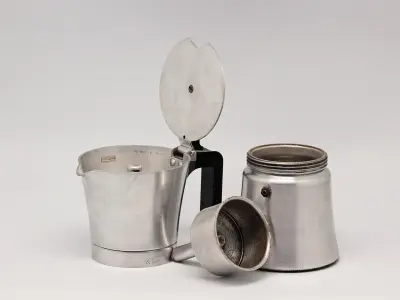
Coffee brewing methods: moka pot, espresso, French press and filter — which to choose
Read article
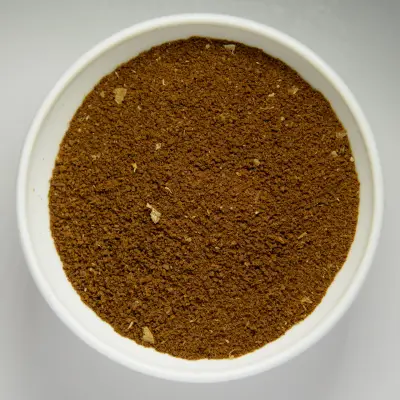
Used coffee grounds: what to do with them instead of throwing them away
Read article

Coffee and sport: when caffeine helps and when it gets in the way
Read article
Caffeine in the cup: how much we really drink
Read article