





How to read a coffee label: blend, roast, intensity and date
What a coffee pack tells you
A coffee pack is, in practice, a short description of what is inside: which beans the coffee is made from, how it was roasted, in what form it comes and which machine it suits.
Standing in front of a shop shelf or reading a product page online, we therefore have quite a lot of information at hand. It is not always clear, though, how to read it.
Some markings, for example the species of the beans, are fairly clear. Others, such as the intensity scale, need a short explanation, because every producer follows its own rules.
Then there is the practical information: the date, the number of servings, the storage advice and markings such as decaffeinated coffee or the origin of the beans.
In this guide we go through the most common elements of a coffee label one by one and explain what they say about the taste in the cup and about the match with your machine.
Many of these markings also appear in the product descriptions in our coffee section, so the guide is useful both in front of the shelf and when shopping online.
A coffee that suits everyone does not exist, which is why the aim of this guide is above all to help you understand better what you are buying.
Composition: Arabica, Robusta and blends
One of the first pieces of information on the pack is often the species of coffee: Arabica, Robusta or a blend of the two.
The word blend, miscela in Italian, means that the roaster has combined beans of different species or different origins to obtain a defined and consistent flavour profile.
If the pack states that the coffee is made exclusively from Arabica, this simply means that no other species was used to produce it.
Many Italian espresso blends combine both species. Some producers state the proportions, but many do not and limit themselves to the name of the blend or a description of the taste.
When the proportions are given, they describe the profile in the cup and not the grade of the bean. When they are missing, the description of the taste and the intensity scale remain as a guide.
The species alone already gives an idea of the taste: Arabica is generally associated with more sweetness and aroma, Robusta with a fuller body and a thicker crema.
There is no better or worse species here. Each can be a good choice, depending on how you like to drink your coffee: on its own, short and intense, or with milk.
How the two species differ and why Italian roasters so often combine them in one blend is explained in our article on Arabica and Robusta.
The pack usually also carries the blend's own name. This is the producer's commercial designation and it is best read together with the other information on the label.
Roast level and intensity scale
The second group of information concerns roasting, the stage in which the green beans take on colour, aroma and taste.
The roast level is often described in words: light, medium or dark roast. Some producers use their own terms or show it on a simple graphic scale.
Generally speaking, a lighter roast usually keeps more acidity and fruity notes, while a darker one brings out roasted and cocoa notes and a more pronounced bitterness.
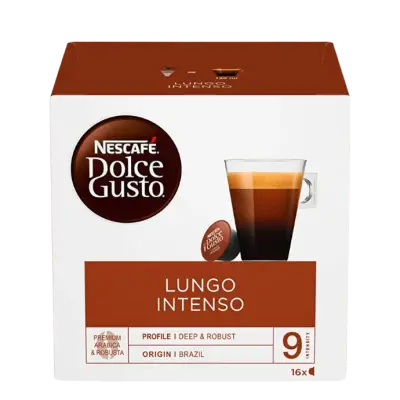
Next to the roast level, many producers print an intensity scale on the pack, usually as a number or a row of marked dots.
This scale is the producer's own guide to its range: it shows how strong a given coffee tastes compared with the other coffees of the same brand.
Each producer sets it independently, so the values of different brands are not directly comparable. A coffee with the same number on the pack can taste completely different from one producer to another.
The best way to use the scale is therefore to compare coffees within one brand. If the coffee you drink now seems too strong, you can choose the same line with a lower value, and vice versa.
It is also worth remembering that intensity describes a taste sensation: body, bitterness and roasted notes. It does not necessarily correspond to the caffeine content of the cup.
What really determines the amount of caffeine in the drink is explained in our article on caffeine in the cup.
Here too, there is no value that is right for everyone. Those who like a mild espresso may do well in the lower part of the scale, lovers of a strong taste in the upper part.
Format and system: beans, ground coffee, capsules and pods
The next piece of information concerns the form of the coffee, that is whether the pack contains whole beans, ground coffee, capsules or pods.
"Coffee beans" means whole roasted beans, which are ground just before brewing, in a grinder or in an automatic machine.
"Ground coffee" is ready to use. On some packs the producer also states which method the grind is intended for, for example a moka pot or an espresso machine.
This indication is useful because the grind size affects the taste: the same coffee ground differently can give a different result in the cup.
You will find both forms in our section of coffee beans and ground coffee.
With capsules and pods, the most important information is the system they fit. The wording "compatible with…" means that the capsule was designed for the machines of that system, although it comes from a different producer than the machine itself.
Capsules of different systems differ in shape and size and are not interchangeable. That is why, before buying, it is worth making sure which system your own machine belongs to.
The name of the system is usually printed on the machine or given in its manual. It is enough to compare it with the wording on the pack.
Our range includes, among others:
Nespresso®-compatible capsules, intended for the machines of this system.
Capsules for the Lavazza A Modo Mio® system, in various blends.
Capsules for the Nescafé Dolce Gusto® system, in which milk-based drinks are often found alongside espresso.
ESE 44 mm pods, that is single servings of coffee enclosed in a paper filter, for machines designed for this standard.
Each of these forms can be a good choice: beans for those who want to grind their coffee themselves, ground coffee for those who prefer a ready form, and capsules and pods for those who go for convenience and consistency.
Date, number of servings and storage
The pack also carries some practical information that is easy to overlook but matters when buying.
The first is the "best before" date. It indicates the period in which the producer vouches for the full quality of the coffee.
In the case of coffee this date speaks above all of the aroma, which gradually fades with time, especially after the pack has been opened.
Some producers also give a roast date. It makes it possible to judge how much time has passed since the beans were roasted, and it is found more often on coffees from the speciality segment.
The second piece of information is the pack size. Capsules and pods usually state the number of servings, coffee beans and ground coffee the net weight.
With capsules the number of pieces usually corresponds to the number of cups that can be made from them. With beans and ground coffee the number of servings depends on how much coffee is used for one brew.
The third piece of information is the storage advice. It usually reads much the same: in a cool, dry place, away from light and sources of heat, and tightly closed after opening.
This short note matters because coffee absorbs moisture and the smells around it, and in warmth it loses its aroma faster.
Coffee beans generally keep their aroma longer than ground coffee, while in capsules each serving stays sealed until the moment of brewing.
That is why, with a larger supply, it is worth looking at the date and considering how long it will take to use up the pack.
How to store coffee so that it keeps its aroma as long as possible is explained in our article on storing coffee and coffee capsules.
Other markings and a summary
Finally, a few markings that appear only on some packs but can matter when choosing.
Decaffeinated coffee is usually marked with the word "decaffeinated" or the Italian "decaffeinato", sometimes in a shortened form.
It is worth knowing that the decaffeination process reduces the caffeine considerably but does not remove it completely.
Some packs state the origin of the beans: the country, the region and sometimes the name of the plantation or cooperative.
On many classic espresso blends this information is absent. What counts then is above all the profile of the blend and not the specific place of cultivation.
Coffees whose journey can be traced back to a single plantation are described in our article on what speciality coffee means.
Some producers print certification marks on the pack, for example for organic farming. What exactly a given mark confirms is explained by the organisation that awards it.
A separate group is made up of flavoured drinks and milk-based products in capsules, for example cappuccino, hot chocolate or ginseng coffee.
In their case it is worth reading the list of ingredients. Depending on the recipe they may contain milk, sugar, sometimes gluten or nuts, and also instant coffee, and therefore caffeine.
To sum up, a coffee label answers a few simple questions: which beans the coffee is made from, how it was roasted, in what form it comes, which machine it suits and how long it will keep its full aroma.
Not every pack gives all of this information, but even a few of these details make it possible to choose coffee more consciously and match it to your own taste and machine.
If you are unsure how to read the markings on a particular pack or which coffee suits your machine, contact us: the Maracatú team is always happy to help you choose.
Popular products
All products
More




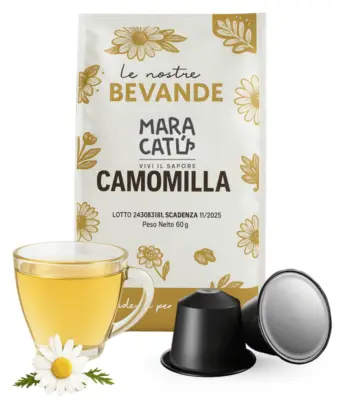
More on this topic
More

Coffee capsules vs traditional: what to choose for home?
Read article


Coffee Capsules Guide: How to Choose Your Perfect Taste
Read article
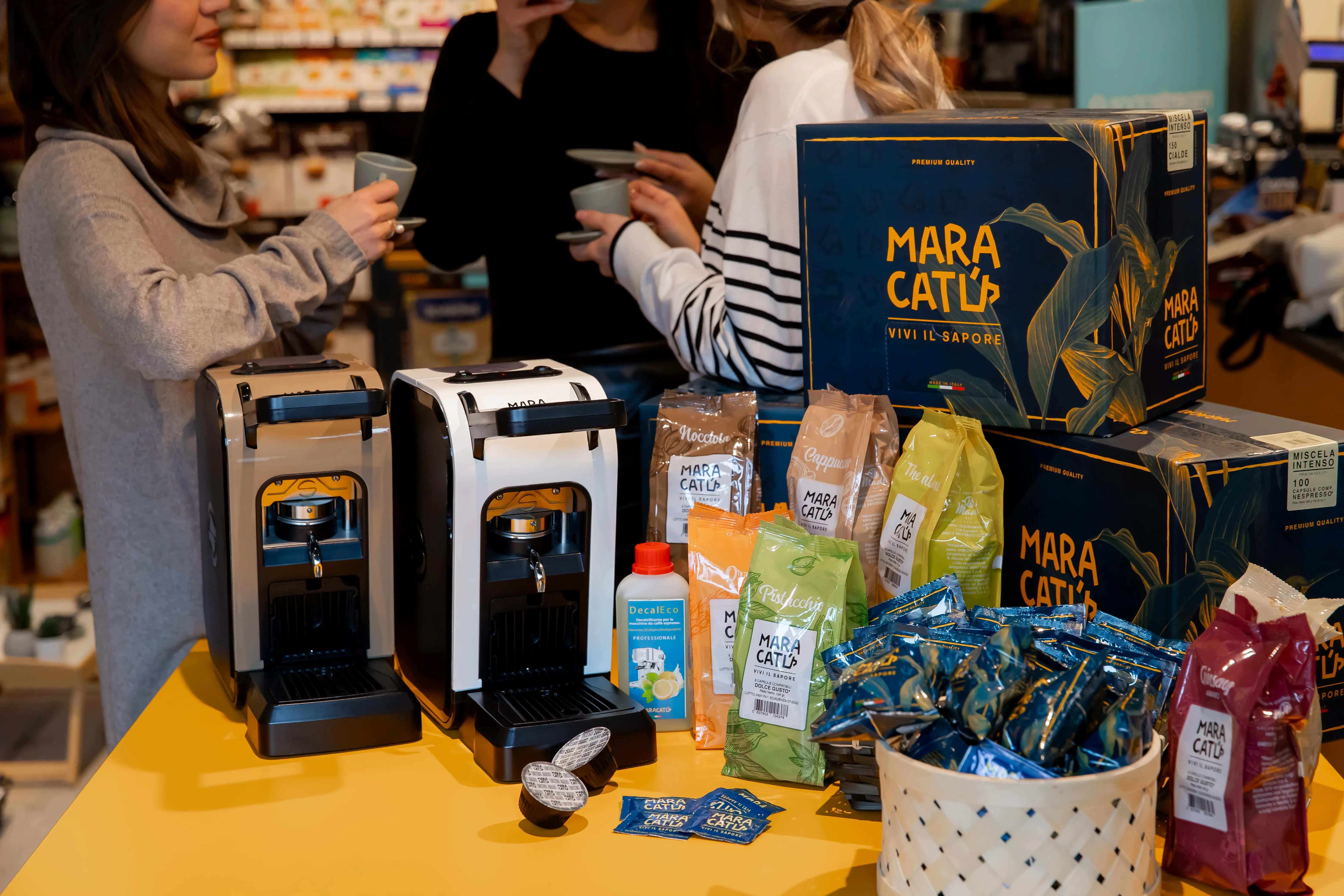
5 myths about capsule coffee
Read article
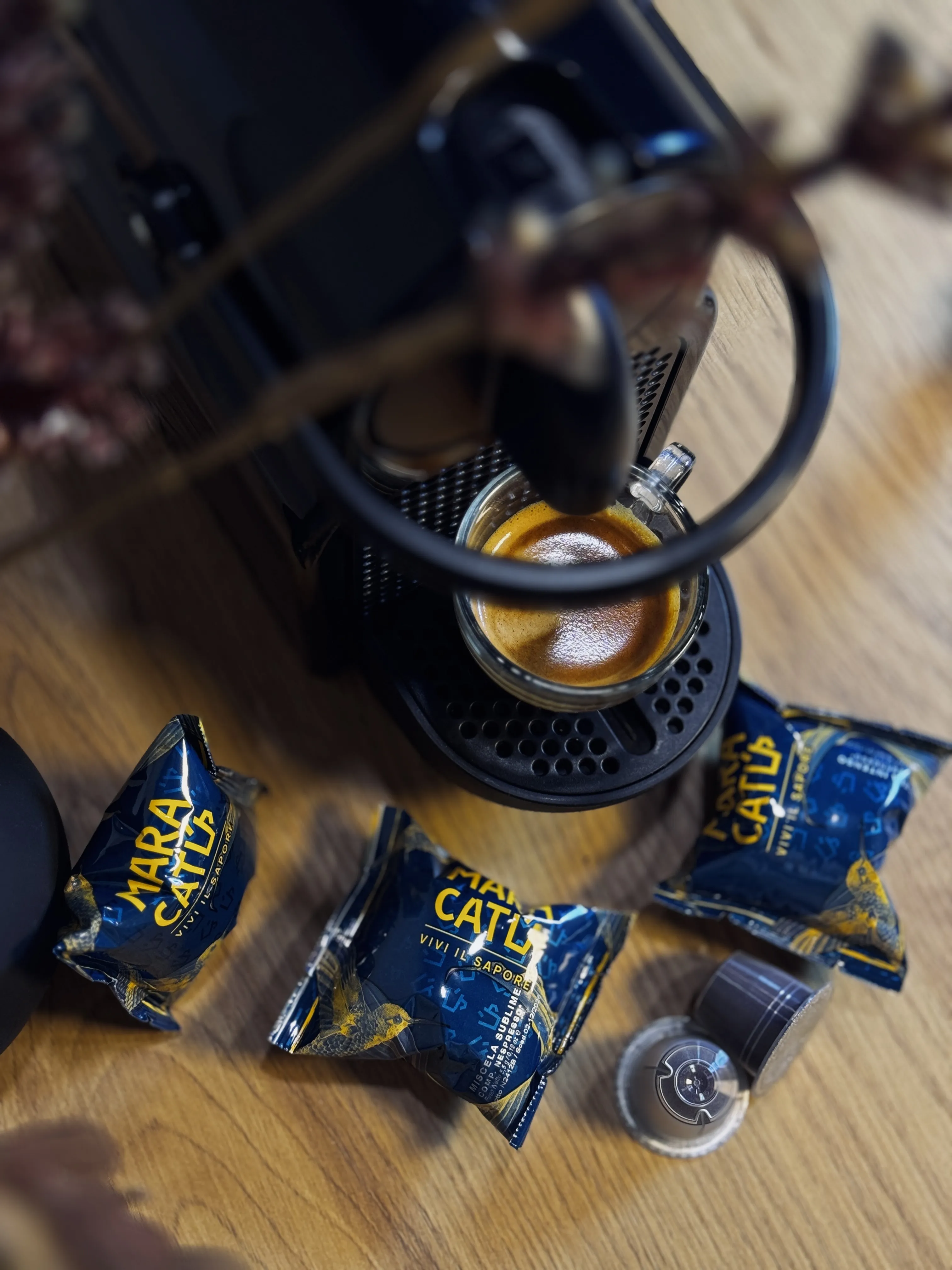
How to properly store coffee and coffee capsules: expert advice
Read article

Coffee at the office: choosing the system, the machine and the accessories for a team
Read article
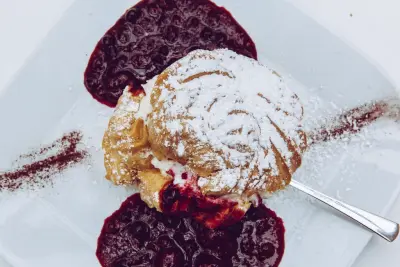
What to serve with coffee the Italian way: sweets, pistachio creams and specialities
Read article
Decaf coffee and infusions: what to drink in the afternoon and evening
Read article
How to taste coffee at home: a guide for beginners
Read article
Coffee brewing methods: moka pot, espresso, French press and filter — which to choose
Read article
Used coffee grounds: what to do with them instead of throwing them away
Read article
Coffee and sport: when caffeine helps and when it gets in the way
Read article
Caffeine in the cup: how much we really drink
Read article