


Italian Christmas at the table: sweets, traditions and coffee
The Italian Christmas table: sweets and coffee
A table laid for the holidays, a plate with several kinds of sweets, small cups of espresso at the end of lunch and a conversation that lasts longer than the meal itself: this is the picture many people link to an Italian Christmas.
Sweets have a special place in it, because they appear not only as dessert but throughout the festive season, at home, with relatives and with friends.
Coffee served at the end of the meal often becomes a sign that everyone can stay at the table a little longer.
For many people the scent of citrus, spices, butter and freshly brewed coffee matters too, filling the house before the first guests arrive.
Customs differ from city to city and even from family to family, so here we describe a few well-known elements rather than rules that apply to everyone.
In this guide we look at the different days of the holidays, the conversation about panettone and pandoro, other well-known sweets and the coffee served after lunch.
We also consider how to choose a sweet gift that is easy to hand over and to share at the table.
We work with coffee and Italian specialities every day, so we are happy to share what we know about them.
From Christmas Eve to Saint Stephen's Day
The Italian festive calendar usually begins with the Christmas Eve dinner, which in many families is built around fish and vegetable dishes.
It is followed by the Christmas lunch, often the most generous meal of the whole holiday, with several courses and a sweet finish.
For dessert, many homes bring out several kinds of sweets at once, so that every guest can choose something to their taste.
The festive morning is often quiet: in many homes it begins with a cup of coffee and a piece of cake before the family sits down to lunch.
Next comes Saint Stephen's Day, the second day of the holiday, which in many homes is calmer and less formal.
People eat what is left from the day before, and the sweets stay on the table, ready to be picked at throughout the day.
This brings coffee back several times: in the morning at breakfast, after lunch and in the late afternoon when visitors drop in.
During the holidays the table often stays laid for longer than usual, so that guests can join in at any moment.
For many families the holidays end only on Epiphany, when children wait for the stocking from the Befana and the last sweets appear on the table.
In these days many families also meet friends and more distant relatives, who drop in for a coffee and a piece of cake.
That is why sweets are often bought in generous quantities: they have to last several days and cover unexpected guests.
It therefore helps to choose some that keep well for a few days on the table and go with coffee at any hour.
Panettone or pandoro: the table debate
Among Italian festive bakes, two come up in conversation most often: panettone and pandoro.
Panettone is a tall yeast cake with a dome, associated with Milan, often with raisins and candied citrus peel.
Pandoro is associated with Verona, has the shape of a star, is golden and soft, and is served dusted with icing sugar.
In many families the argument about which of the two is better has become part of the festive fun.
In many homes both bakes are brought to the table at the end of the meal, so that everyone can help themselves.
Some people value panettone for its richness of ingredients, others prefer pandoro for its delicate, buttery taste without fruit.
There is no single right answer: the choice depends on the taste of the household and the guests.
Many people simply solve the dilemma by putting both on the table.
Panettone versions with different ingredients, from classic to chocolate, can be found among the products of Fiasconaro, a family pastry maker from Castelbuono in the Madonie mountains of Sicily.
Before buying, it is worth reading the label, because these bakes contain gluten, eggs and milk, and some versions also contain nuts.
Torrone, panforte, cantucci and other sweets
Besides panettone and pandoro, many other sweets appear on Italian festive tables.
The names are sometimes spelled in several ways, and recipes change from one pastry maker and one family to another.
It is worth knowing at least a few names that come up often in conversations at this time of year:
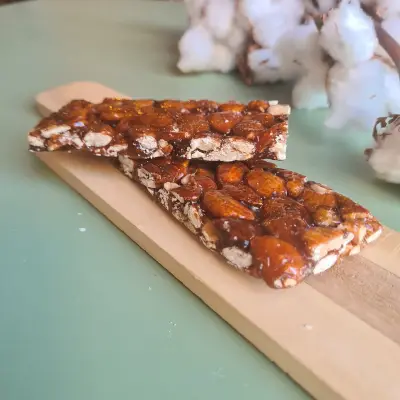
Torrone, an Italian nougat of honey, sugar and nuts or almonds, known in many varieties, from soft to hard.
Panforte, a dense, spiced cake with nuts and candied fruit, associated with Siena.
Cantucci, crunchy Tuscan almond biscuits, often served with coffee or with a dessert wine.
Struffoli, small balls of fried dough covered in honey, associated with Naples.
Ricciarelli, soft almond biscuits, also linked to the area around Siena.
For many people torrone and cantucci call coffee to mind, because their sweetness and crunch go well with a small cup of espresso.
Many of them contain nuts, so people with allergies should read the label carefully and ask about the ingredients.
Various bakes and treats can be found in our Italian sweets section, and other regional specialities in our Italian flavours section.
For those who like nutty flavours, we can suggest the Fiasconaro pistachio torrone, which goes well with coffee.
With a larger group of guests something lighter can also be useful, such as fruit, which balances the richness of the sweets.
Espresso after lunch and caffè corretto
After the Christmas lunch, coffee usually arrives at the table, and its best-known form is espresso.
It is a small, intense coffee served in a little cup, often without additions or with a little sugar.
Its distinct bitterness can pleasantly balance the sweetness of panettone, torrone and other desserts.
Espresso calls for coffee with a suitable blend and grind, and in our whole bean and ground coffee section there are various options for brewing at home.
Those who prefer a milder taste can choose coffee with milk, such as a cappuccino, although some people prefer it at breakfast.
We have explained the names and differences between the most common coffees in our guide to Italian coffee names.
In many homes coffee is served in small cups together with water and sugar, so that everyone can adjust it to their own taste.
To end a festive lunch, some families serve caffè corretto, an espresso with a small amount of spirit, usually grappa.
It is a custom for adults, to be enjoyed in moderation, and it is not suitable for everyone.
Drivers, pregnant women and anyone avoiding alcohol can choose a plain espresso or a decaffeinated coffee.
The latter contains much less caffeine but does not remove it completely, which is worth remembering in the evening.
For guests, coffee after lunch is also a good moment to stay at the table a little longer.
The choice of drinks for children should take into account age, caffeine, sugars and allergens, and another warm drink can be offered instead of coffee.
Italian sweets as a gift
Italian sweets are often chosen as a gift, because they are easy to hand over and can be shared at a common table.
A good idea for a small gift for guests or neighbours can be Dolce Sfera, a small panettone with chocolate chips, presented in a decorative bauble.
Thanks to its decorative form, such a gift can also serve as a festive table decoration.
When choosing a gift, it is worth thinking about the tastes of the recipient and any allergies.
A gift can be modest: what matters more is that it invites everyone to sit down together at the table.
Sweets may contain gluten, eggs, milk or nuts, and the ingredients differ from product to product.
A small gift can be brought along on a festive visit, so that the hosts can offer it to everyone at the table straight away.
A sweet can also be combined with coffee to make a small set for a shared afternoon.
We have collected more tips on choosing coffee for someone close in our guide on how to choose coffee as a gift.
In the end, the Italian Christmas table rests on a simple idea: sweets, coffee and time spent together.
Whether panettone, pandoro or a plate of biscuits comes to the table, what matters is to stay at it a little longer.
If you need help choosing sweets, coffee or a gift, contact us: the Maracatú team is always happy to help you choose.
Popular products
All products
More



More on this topic
More

Coffee capsules vs traditional: what to choose for home?
Read article


Coffee Capsules Guide: How to Choose Your Perfect Taste
Read article
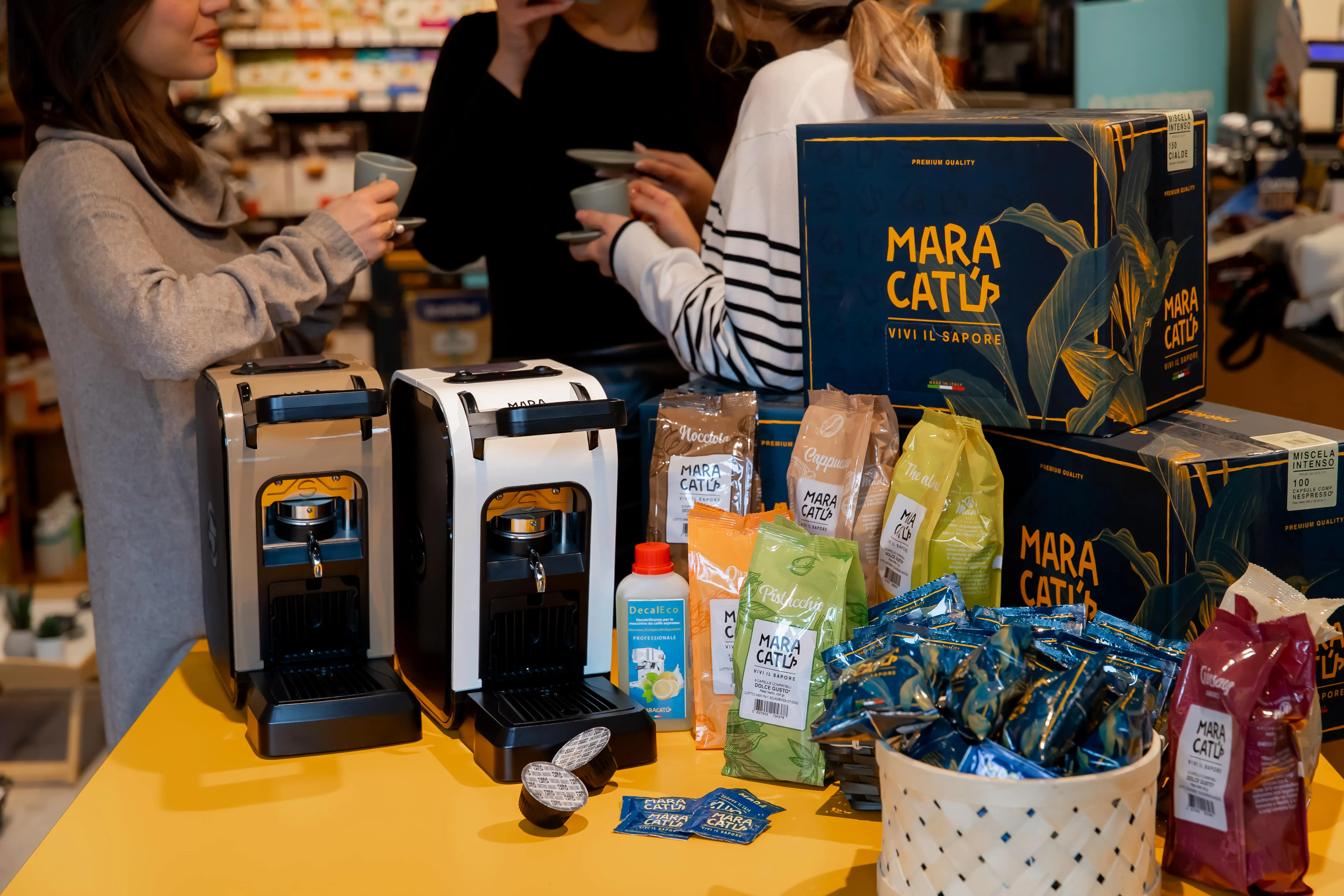
5 myths about capsule coffee
Read article
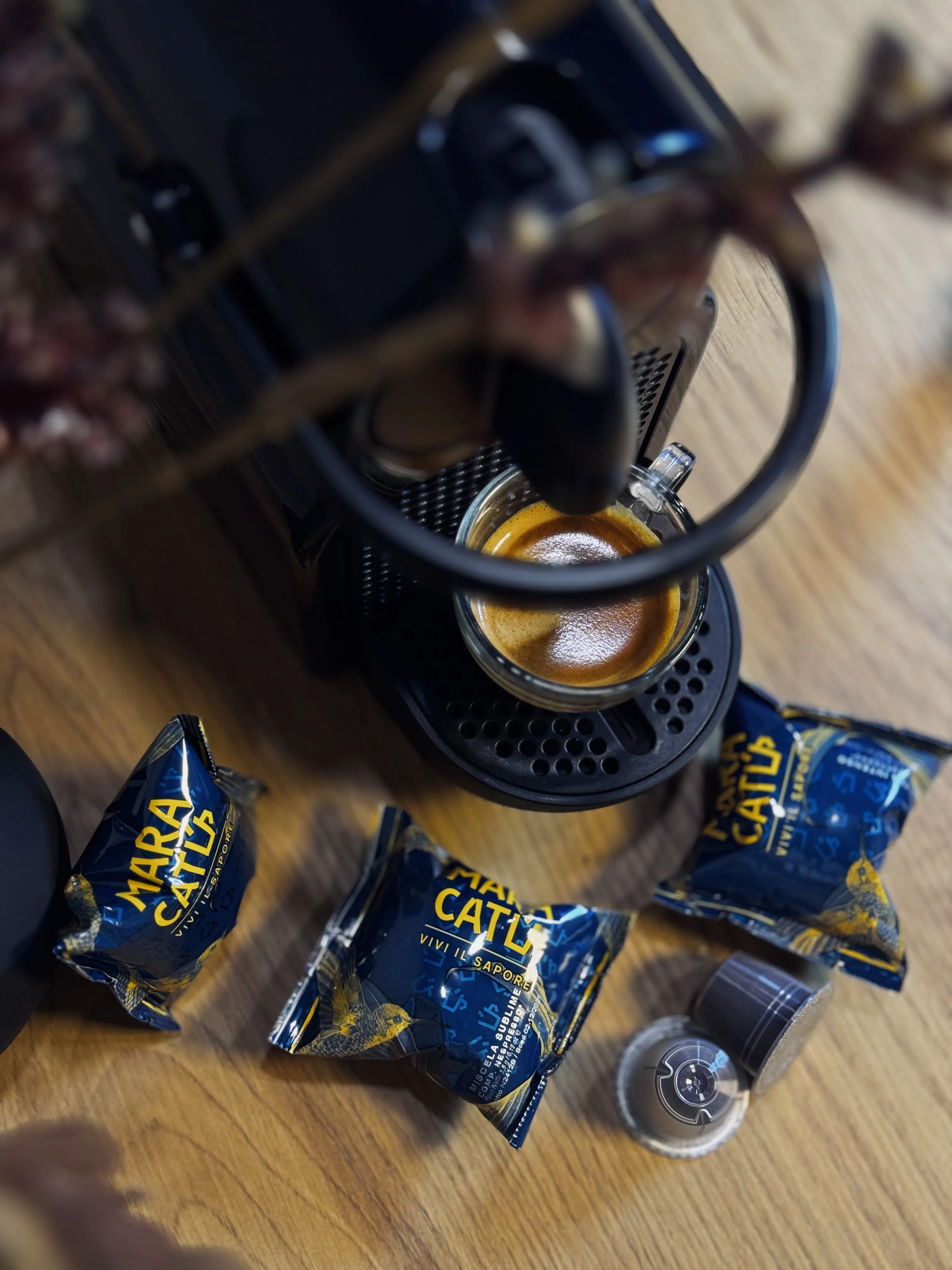
How to properly store coffee and coffee capsules: expert advice
Read article

Coffee at the office: choosing the system, the machine and the accessories for a team
Read article
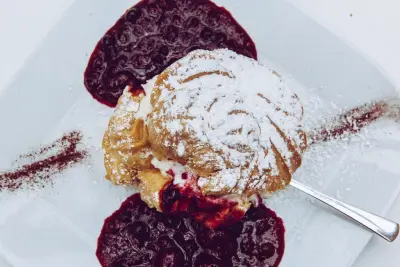
What to serve with coffee the Italian way: sweets, pistachio creams and specialities
Read article

Decaf coffee and infusions: what to drink in the afternoon and evening
Read article
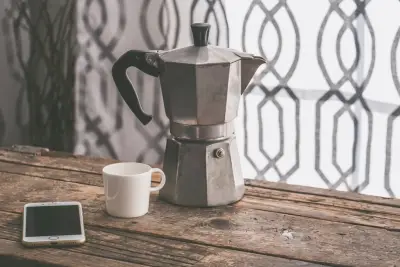
How to taste coffee at home: a guide for beginners
Read article
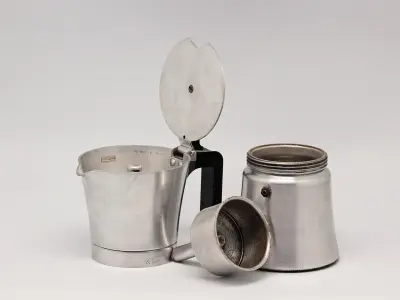
Coffee brewing methods: moka pot, espresso, French press and filter — which to choose
Read article
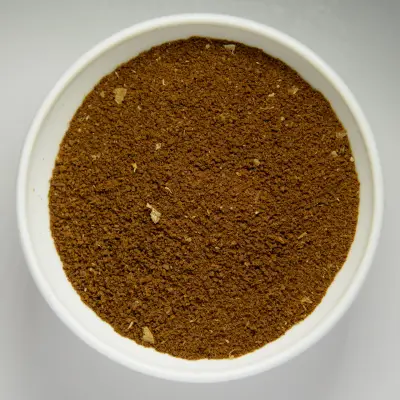
Used coffee grounds: what to do with them instead of throwing them away
Read article

Coffee and sport: when caffeine helps and when it gets in the way
Read article

Caffeine in the cup: how much we really drink
Read article