





Coffee on the move: how to drink well away from home
Why coffee away from home disappoints
We have been selling coffee for over fifteen years and hear the same complaint often: it tastes good at home, not while travelling. There are usually three reasons, and all can be worked around.
The first is water. In another city it has different hardness and composition, and that changes extraction more than changing the bean does.
The second is equipment. A hotel machine may be overdue for descaling, and its temperature differs from the one you are used to.
The third is time. Coffee carried from home in an open pack loses aroma within days, and ground coffee faster still.
The remedies are simple and do not require carrying a grinder and scales. Just match the method to the situation rather than the other way round.
Hotel: the simplest route
A hotel usually offers a capsule machine or a kettle. Both are enough for good coffee, provided you approach them without barista ambitions.
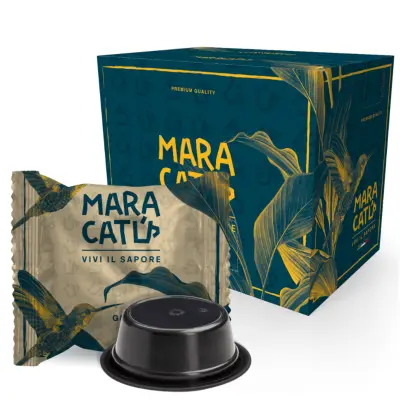
With capsules it pays to bring your own, since those in the room may have sat for months. A capsule is sealed under protective atmosphere and survives the journey intact.
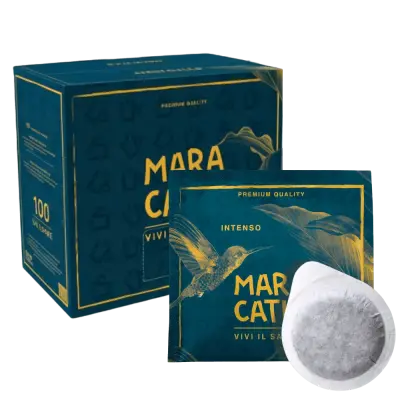
With only a kettle, pods steeped directly in the mug for three to four minutes are the simplest answer. The method is immune to missing equipment.
If the room has only tap water with a marked taste, buy the plainest low-mineral bottled water. That single change does more than all the others together.
It is not worth fighting a pressure machine whose condition you do not know. The result is often worse than a simple steeped brew.
Compact ESE pods take less space in a suitcase than a bag of coffee and do not spill over your clothes.
Office, car, outdoors
In the office the problem is rarely the equipment and more often the shared coffee bought in bulk and open for weeks. Your own smaller pack solves it without conflict.
The second matter is the mug. A vacuum mug holds temperature, but closed it traps steam that falls back into the drink and spoils the taste. Leave the lid ajar for the first minutes.
In the car a flask filled at home works. Steeped coffee takes this better than espresso, which loses its crema within half an hour and turns bitter.
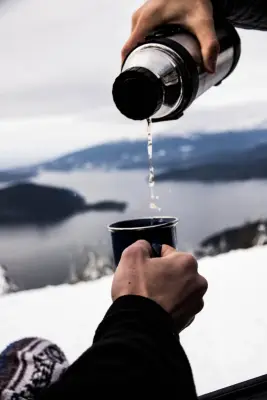
Outdoors the simplest options are a moka pot on a burner or pods and a mug. Both forgive the absence of scales and thermometer.
One warning: coffee brewed and kept for hours in a flask turns bitter regardless of bean quality, because extraction continues in the heat.
So fill the flask with freshly brewed coffee and drink it within two or three hours.
What to pack and what to leave
The list of genuinely useful items is short and fits in a side pocket.
Coffee in sealed form: capsules or pods, one per planned day plus two. An open bag of ground coffee is the worst choice for a trip.
A mug you know from home. Volume and shape affect perception more than expected, and a familiar mug gives you a reference point.
A small spoon and, if you take sugar, your own supply. Hotel sachets are often damp and hardened.
Leave the grinder, the scales and anything needing a socket at home. Travel does not offer the conditions in which those tools pay off.
In our accessories and cups section we keep mugs and small items that earn their place away from home, not only in the kitchen.
How to order coffee abroad
The same name means different things in different countries, and that is the commonest source of disappointment in a café.
In Italy caffè on its own means espresso, while caffè latte is coffee with plenty of milk, usually served in a glass, not a latte macchiato.
An americano is espresso lengthened with hot water, not filter coffee. If you want a large mug of filter, ask for caffè filtro.
In German-speaking countries a Melange is close to what elsewhere is called cappuccino, and a Verlängerter is roughly an americano.
In Scandinavia you will get filter coffee from a large brewer by default, often topped up without being asked.
To be safe, describe the serving: small and strong, or large and mild. That works in any language.
On returning
Coffee brought back from a trip often disappoints at home, and that is no accident.
On location you drank it in a different context, with different water and different equipment. The same pack behaves differently in your kitchen.
If holiday coffee tastes worse, check the roast date on the pack first and then adjust the grind, before writing it off as a bad purchase.
Many coffees sold to tourists are also blends built for the local method, for Turkish-style brewing or for a very long espresso.
On storing an open pack after returning we wrote the storage guide, and on methods the piece about brewing.
If you would like coffee chosen for a particular trip, our team is available: get in touch.
Popular products
All products
More




More on this topic
More
Coffee capsules vs traditional: what to choose for home?
Read article

Coffee Capsules Guide: How to Choose Your Perfect Taste
Read article
5 myths about capsule coffee
Read article
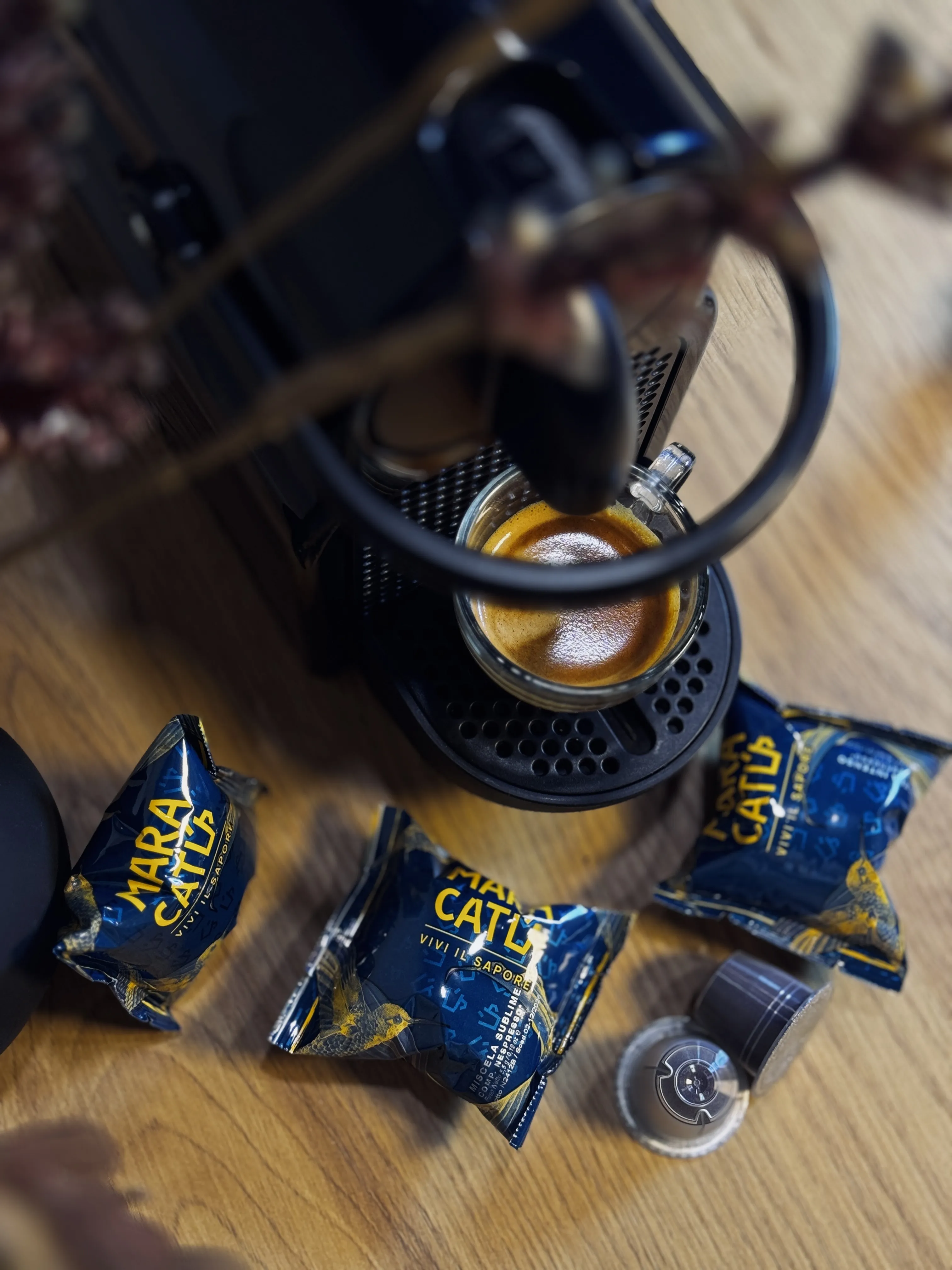
How to properly store coffee and coffee capsules: expert advice
Read article
Coffee at the office: choosing the system, the machine and the accessories for a team
Read article
What to serve with coffee the Italian way: sweets, pistachio creams and specialities
Read article
Decaf coffee and infusions: what to drink in the afternoon and evening
Read article
How to taste coffee at home: a guide for beginners
Read article
Coffee brewing methods: moka pot, espresso, French press and filter — which to choose
Read article
Used coffee grounds: what to do with them instead of throwing them away
Read article
Coffee and sport: when caffeine helps and when it gets in the way
Read article
Caffeine in the cup: how much we really drink
Read article