





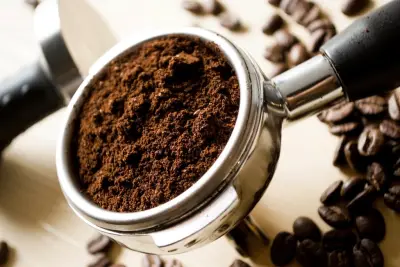
Whole bean or ground coffee: what to choose for home
The same coffee in two forms
In many homes, choosing coffee begins with a simple question: whole beans or ground?
The same blend is often available in both forms. The composition is the same, and the difference lies in the moment when the coffee is ground.
With whole beans, grinding happens at home, just before brewing. With ground coffee, the producer has already done it.
Both forms have their advantages and both can make a good cup. Much depends on the equipment you have and on how you drink coffee every day.
In this guide we explain how whole bean coffee differs from ground coffee, what role the grind size plays and what to pay attention to when storing it.
At the end we gather a few questions that may help you choose the form of coffee that suits your habits, and we also mention capsules and pods as a third possibility.
In our range, both forms can be found in the whole bean and ground coffee section, in various blends to choose from.
Whole bean coffee: grinding just before brewing
Whole bean coffee is roasted coffee that arrives in the pack as whole beans.
It is considered the form that generally keeps its aroma longer, because the coffee stays inside the whole bean until the moment it is ground.
Grinding just before brewing allows this aroma to reach the cup as fully as possible.
There is one condition, however: the beans need to be ground. This requires a grinder or a machine with a built-in grinder.
The grinder may be manual or electric. An automatic machine grinds the beans itself, immediately before each brew.
We write about how to choose beans for this type of machine in our guide to coffee for automatic machines.
Another advantage of beans is the possibility of adjusting the grind size to the brewing method. The same pack can serve for the moka pot, the espresso machine or the French press.
This also makes it possible to adjust the grind to your own taste, a little finer or a little coarser, depending on the result we want in the cup.
Here too, much depends on habits. People who like to try different methods often appreciate precisely this freedom.
Grinding at home does, however, require a little time and attention. For many people it is a pleasant part of the ritual, while others prefer to have their coffee ready to use straight away.
Whole bean coffee can be a good choice for people who have a grinder or a machine with a grinder and want to decide the grind size themselves.
Ground coffee: convenience and a ready grind size
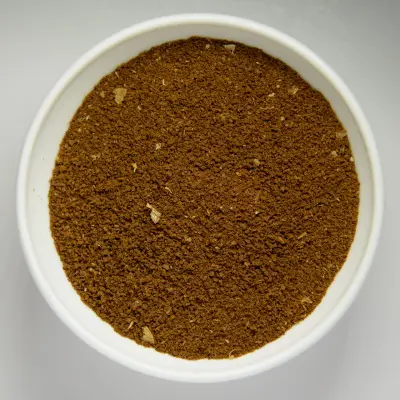
Ground coffee is the same roasted coffee, already ground by the producer and packed in a form that is ready to use.
Its main advantage is convenience. It is enough to open the pack and measure out a portion, with no extra equipment and no extra step before brewing.
For this reason it is often chosen by people who brew coffee in a moka pot, a filter machine or a French press and do not have a grinder.
People who have an espresso machine can also turn to ground coffee intended for espresso, if they do not want to use a separate grinder.
Here the grind size is set by the producer. This means that when buying it is worth checking which brewing method a given coffee is intended for.
Many ground blends are prepared with the moka pot in mind, others for the filter machine or the espresso machine. This information is usually found on the pack.
There is also the aspect of freshness. Once the pack is opened, ground coffee tends to lose its aroma sooner than beans.
For this reason, in its case the way it is stored and the size of the pack are of particular importance.
Many people choose a smaller pack, which is used up in less time, rather than a larger supply that would stay open for longer.
With proper storage, ground coffee can also make a very good cup, both in the moka pot and in the machine.
Ground coffee can be a good choice for people who brew coffee with one fixed method and want to have it ready to use straight away.
Grind size and brewing method
Whether you grind coffee at home or buy it ground, the grind size should match the brewing method.
Each method passes water through the coffee in a different way, which is why each has its own typical grind size.
For this reason, coffee ground with one method in mind does not always work equally well with another.
For espresso, a fine grind is usually used. The water passes through the coffee under pressure and in a short time.
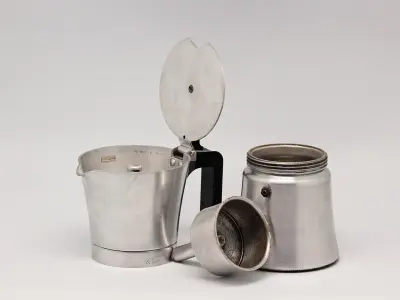
For the moka pot, the grind is usually somewhat coarser than for espresso. Coffee that is too fine can make it harder for the water to pass through the filter.
For filter methods, the grind size is usually coarser still, and for the French press generally the coarsest, because the coffee stays in contact with the water for longer.
These are, of course, general guidelines. The exact grind size depends on the equipment, the blend and personal taste.
With ground coffee, the intended use is usually indicated on the pack, often as a simple label: for moka pot, for filter machine, for espresso.
With beans, you choose the grind size yourself, in the grinder or in the machine, following the instructions of the appliance's manufacturer.
If the cup does not taste the way we would like, one of the first things worth checking is precisely the grind size.
We write in detail about the moka pot, the espresso machine, the French press and filter coffee in our guide to coffee brewing methods.
Machines can be found in our coffee machines section, and small additions in the accessories section.
Storing coffee after opening the pack
Both beans and ground coffee taste best when they are fresh. Once the pack is opened, both forms gradually lose their aroma.
This process is generally slower for beans and faster for ground coffee, but it concerns both forms.
For this reason, the way coffee is stored matters whichever form we choose.
The basic rule is the same: a closed pack or an airtight container, away from light, heat and moisture.
This requires no special equipment, just a little attention when choosing a place in the kitchen.
An ordinary kitchen cupboard, away from the cooker and the window, is usually a good place for both forms of coffee.
If the original pack does not close tightly, the coffee can be transferred to an opaque container with a good seal.
Another aspect is quantity. It is worth buying as much coffee as will be used in a reasonable time, rather than building up a large supply.
In the case of ground coffee this is of particular importance, which is why a smaller pack often works better here.
We write more broadly about what harms coffee and how to store it, including in capsules, in our article on how to store coffee properly.
With proper storage, both beans and ground coffee can give a good cup for a longer time.
How to choose: a few questions to finish
There is no form of coffee that is better for everyone. The choice depends on the equipment, on habits and on how much time we want to spend preparing a cup.
Before buying, it is worth asking a few simple questions:
Equipment available: a grinder or a machine with a grinder speaks for beans, and their absence for ground coffee.
Frequency with which we drink coffee: with several cups a day the pack is used up quickly, with one coffee now and then a smaller pack works better, whatever the form.
Time we want to spend on preparation: grinding at home is an extra step, which for some is a pleasure and for others an additional chore.
Brewing method, that is, the one we use most often: with a single fixed method, ground coffee with the right grind size works very well, with several methods beans give more freedom.
There is also a third way. For people who value convenience and consistency above all, capsules or ESE pods can be a good solution.
Here the coffee is measured and ground by the producer, and each portion is prepared for a single brew.
It does, however, require a machine designed for that system, which is why it is worth checking compatibility with your appliance before buying.
Our range includes both ESE pods 44 mm and capsules compatible with Nespresso®, in various blends.
We presented a comparison of these systems with traditional coffee in our article on capsules and traditional coffee.
The full choice of coffees in our range, whatever the form, can be found in the coffee section.
In summary, whole bean coffee and ground coffee are two forms of the same coffee, and each can be a good choice. Beans give more freedom and generally keep their aroma longer, ground coffee offers convenience and a ready grind size. The choice depends on the equipment and on everyday habits.
If you are not sure which form of coffee will suit your machine or the way you brew coffee at home, contact us: the Maracatú team is always happy to help you choose the right blend and its form.
Popular products
All products
More





More on this topic
More

Coffee capsules vs traditional: what to choose for home?
Read article


Coffee Capsules Guide: How to Choose Your Perfect Taste
Read article

5 myths about capsule coffee
Read article
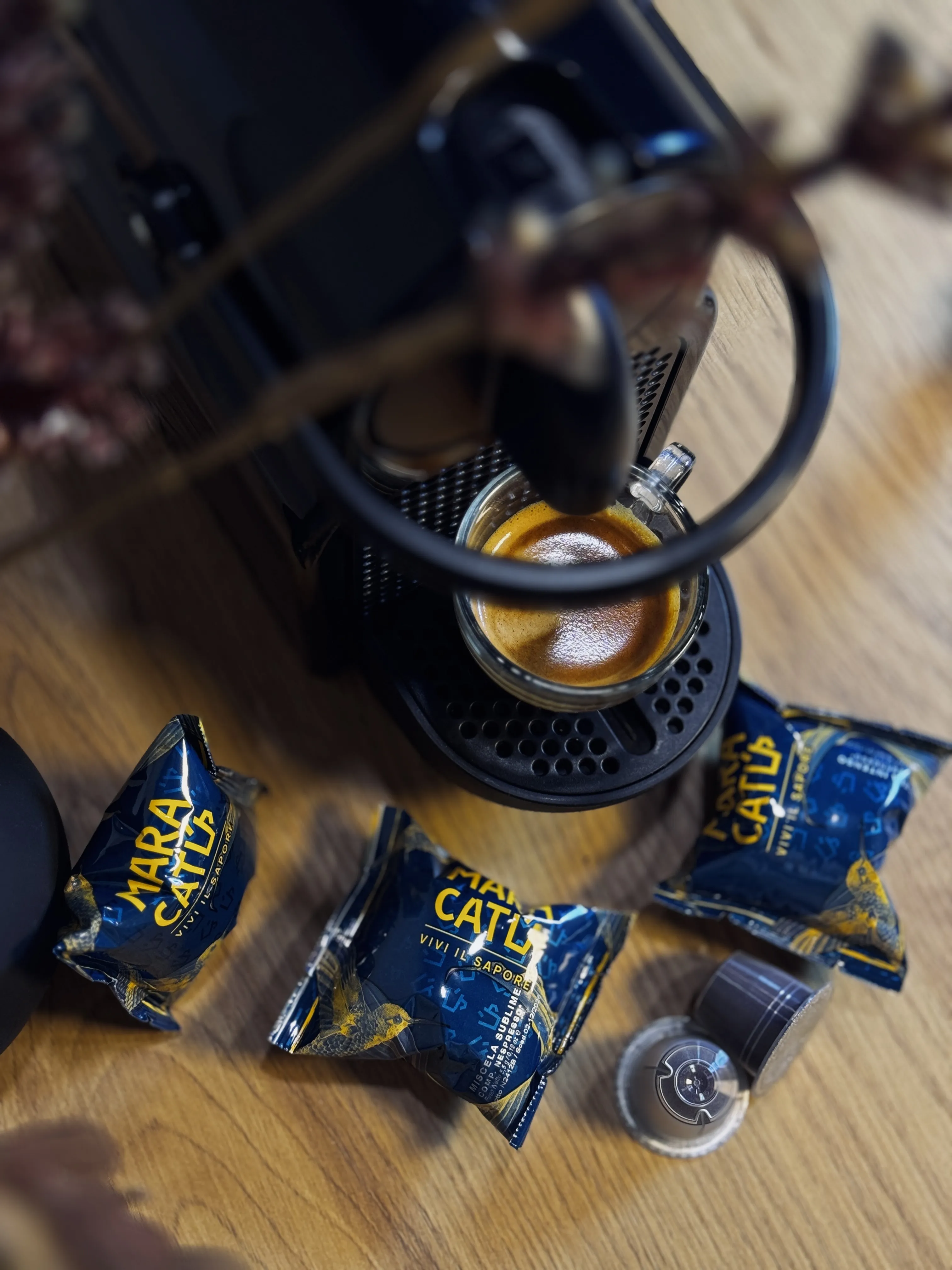
How to properly store coffee and coffee capsules: expert advice
Read article

Coffee at the office: choosing the system, the machine and the accessories for a team
Read article
What to serve with coffee the Italian way: sweets, pistachio creams and specialities
Read article
Decaf coffee and infusions: what to drink in the afternoon and evening
Read article
How to taste coffee at home: a guide for beginners
Read article
Coffee brewing methods: moka pot, espresso, French press and filter — which to choose
Read article
Used coffee grounds: what to do with them instead of throwing them away
Read article

Coffee and sport: when caffeine helps and when it gets in the way
Read article
Caffeine in the cup: how much we really drink
Read article