



Coffee glossary: the most important terms from Arabica to ristretto
The language of coffee: terms worth knowing
The wording on a pack of coffee, the menu in a café, the buttons on a machine: in each of these places we come across words such as Arabica, crema, ristretto or lungo.
Some come from Italian, others from English, and together they make up the language used to describe coffee.
Knowing a few basic terms makes it easier to choose coffee in a shop, to order at the bar and to talk about what we enjoy in the cup.
You do not need to be a barista or an expert. Most coffee words describe simple things: where the bean comes from, how it was roasted and how the drink was brewed.
In this guide we have gathered the most important terms in five groups: beans and origin, roasting and taste, grinding and extraction, Italian coffee names, and capsules and pods.
Each entry is explained in a few sentences, so that it is easy to come back to.
We work with coffee every day and know that questions about the meaning of these names come up very often.
The definitions are deliberately simple: they describe the general meaning of a word, while the details may vary depending on the producer, the roastery or the bar.
This makes the coffee label and the café menu easier to read, and the choice of your own cup a more informed one.
Beans and origin: from the coffee plant to the blend
The first group of terms concerns the plant and the bean, in other words what arrives at the roastery.
The coffee plant is a shrub or small tree whose fruits, often called coffee cherries, usually contain two seeds. These seeds are the coffee beans.
Arabica is one of the two most important coffee species. It is generally associated with more sweetness, a richer aroma and a more noticeable acidity.
Robusta is the second of these species. It usually contains more caffeine and gives the cup a fuller body, a more pronounced bitterness and a more generous crema.
Neither species is better or worse, and we have described the differences in more detail in our article Arabica or Robusta.
A blend, in Italian miscela, is a combination of beans of different species or different origins. The roastery creates it to achieve a specific and consistent taste.
Single origin means coffee from one place of origin: a single country, a region and sometimes a single farm.
Green coffee is the raw bean before roasting. This is the form in which coffee travels from the growing countries to the roasteries.
Processing is the way the bean is separated from the fruit after harvest. The methods mentioned most often are the natural one, in which whole fruits are dried, and the washed one, in which the pulp is removed before drying.
Decaffeinated coffee, in Italian decaffeinato, is coffee from which most of the caffeine has been removed before roasting. The process greatly reduces the caffeine but does not remove it completely.
Speciality coffee is the name given to coffees that have received a high score from qualified tasters according to established criteria.
You will find coffees of different species and blends in our coffee beans and ground coffee section.
Roasting and taste: from roast level to aftertaste
The second group of terms describes what happens to the bean in the roastery and the words used to talk about taste.
Roasting, in Italian tostatura, is the process in which green beans turn brown under high heat and develop their aroma and flavour.
A roastery, in Italian torrefazione, is the place where coffee is roasted. The same word is used for the company that selects the beans and composes the blends.
The roast level is usually described as light, medium or dark. A lighter roast generally keeps more acidity and fruity notes, while a darker one brings out roasted and cocoa notes and bitterness.
The roast date is the day on which the beans were roasted. Only some producers state it, more often on speciality coffees.
Intensity is the scale on which a producer shows how strong a coffee tastes compared with the other coffees of the same brand. It describes the taste impression and does not necessarily correspond to the caffeine content.
We explain how to read these and other markings on the pack in our guide on how to read a coffee label.
Aroma is the smell of coffee, perceived both with the nose over the cup and while drinking. It is often described through comparisons: chocolate, nutty, fruity or floral notes.
Body is the impression of density and weight of the drink in the mouth. A coffee can have a light body, close to that of tea, or a full and creamy one.
Acidity means, in the language of coffee, a lively, fresh sensation reminiscent of fruit. It is a natural feature of many coffees, especially the more lightly roasted ones.
Bitterness is a natural part of the taste of coffee. It tends to be more noticeable in dark-roasted blends and in coffees that contain Robusta.
The aftertaste is the impression that remains in the mouth after swallowing the coffee. It can be short and delicate or long and distinct.
People often speak of a good cup when sweetness, acidity and bitterness are in balance.
Grinding and extraction: how the brew is made
The third group of terms concerns the moment when ground coffee meets water.
The grind size is how fine the coffee particles are after grinding. It is chosen to suit the brewing method: fine for espresso, slightly coarser for the moka pot, and coarser still for filter methods and the French press.
A burr grinder crushes the beans between two burrs. The distance between them sets the grind size, which can be adjusted.
Extraction is the process in which water draws out of the ground coffee the substances responsible for taste and aroma.
When the water takes too little from the coffee, this is called under-extraction, and the drink tends to be watery and sour. When it takes too much, it is called over-extraction, and the cup usually becomes excessively bitter.
The portafilter is the handle with a filter basket that holds the ground coffee in a manual espresso machine. The tamper is used to level and press the coffee.
Crema is the golden foam on the surface of an espresso, formed while brewing under pressure. We write more about it in our article on where the crema on espresso comes from.
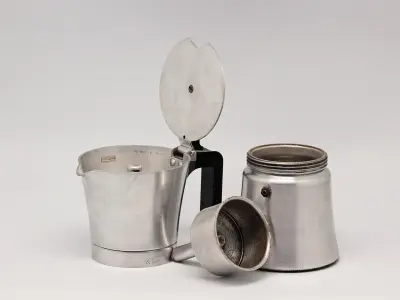
The moka pot is the Italian coffee maker placed on the hob. Heated water from the lower chamber passes through the coffee into the upper part and gives an intense brew.
In filter methods the water flows through the coffee and the filter by gravity. The brew is usually clear and lighter than espresso.
The French press is a jug with a plunger and a mesh filter. The coffee is covered with hot water and, after brewing, the grounds are separated by pressing the plunger down.
Each of these methods brings out the flavour of the same coffee in a different way, which is why the same blend can taste different from an espresso machine, a moka pot and a jug.
Italian coffee names: from espresso to cappuccino
The fourth group contains the names of drinks that have travelled from Italian bars to cafés all over the world.
Espresso is a small, concentrated coffee brewed under pressure, with a layer of crema on top. In an Italian bar it is ordered simply as un caffè.
A ristretto is an even shorter espresso, made with the same amount of coffee but less water. A lungo is its opposite: more water passes through the same amount of coffee.
Doppio means a double espresso, while an americano is an espresso diluted with hot water after brewing.
A macchiato is an espresso with a small amount of milk or milk foam. In Italian the word means "stained".
A cappuccino combines espresso, hot milk and milk foam and is served in a larger cup.
A latte macchiato is a glass of hot, frothed milk into which espresso is poured. A caffè latte is coffee with plenty of milk, with a thin layer of foam or none at all.
It is worth knowing that the word latte on its own simply means milk in Italian.
A barista is the person who prepares and serves coffee in a bar or café. Latte art refers to the patterns created on the surface of the coffee when pouring frothed milk.
We describe these and some less familiar names, as well as the customs of the Italian bar, in more detail in our guide to Italian coffee types.
Capsules and ESE pods: terms used around the machine
The last group of terms is useful with capsule and pod machines.
A capsule is a portion of ground coffee sealed in an airtight container. The machine pierces it and passes hot water through it under pressure.
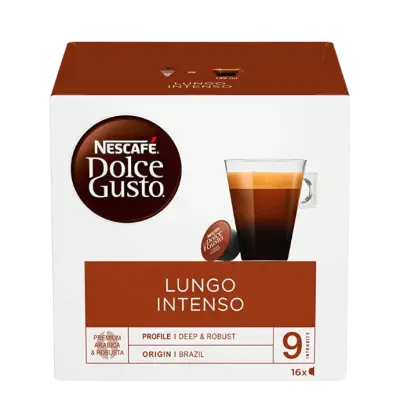
A system is the machine together with the capsule shape that fits it, for example Nespresso®, Nescafé Dolce Gusto® or Lavazza A Modo Mio®. Capsules of different systems are not interchangeable.
The word compatible means that the capsule comes from a different producer than the machine but has been designed for the machines of that system.
One example is our section of Nespresso® compatible capsules, which contains blends of different intensity.
An ESE pod, in Italian cialda, is a portion of ground, pressed coffee enclosed in filter paper. The abbreviation stands for Easy Serving Espresso, and the number 44 is the diameter of the pod in millimetres.
It is a standard shared by many producers, so pods of different brands fit the machines designed for this format.
A choice of blends can be found in the ESE 44 mm pods section, and we describe the format itself in our article on what ESE pods are.
Descaling is the removal of the deposits that the minerals in water leave in the machine over time. It is carried out according to the manufacturer's instructions.
To sum up, the language of coffee describes a few simple things: which bean the coffee was made from, how it was roasted and ground, how it was brewed and under what name it reaches the cup.
In the end, a few words are enough for the wording on the pack, the café menu and the buttons on the machine to become clear.
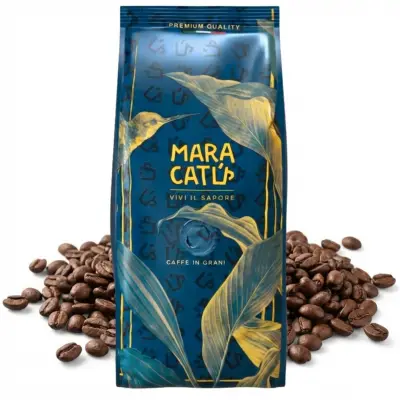
If any term still raises questions or you would like to match a coffee to your own machine, contact us: the Maracatú team is always happy to help you choose.
Popular products
All products
More





More on this topic
More

Coffee capsules vs traditional: what to choose for home?
Read article


Coffee Capsules Guide: How to Choose Your Perfect Taste
Read article

5 myths about capsule coffee
Read article

How to properly store coffee and coffee capsules: expert advice
Read article

Coffee at the office: choosing the system, the machine and the accessories for a team
Read article
What to serve with coffee the Italian way: sweets, pistachio creams and specialities
Read article

Decaf coffee and infusions: what to drink in the afternoon and evening
Read article
How to taste coffee at home: a guide for beginners
Read article
Coffee brewing methods: moka pot, espresso, French press and filter — which to choose
Read article
Used coffee grounds: what to do with them instead of throwing them away
Read article

Coffee and sport: when caffeine helps and when it gets in the way
Read article

Caffeine in the cup: how much we really drink
Read article